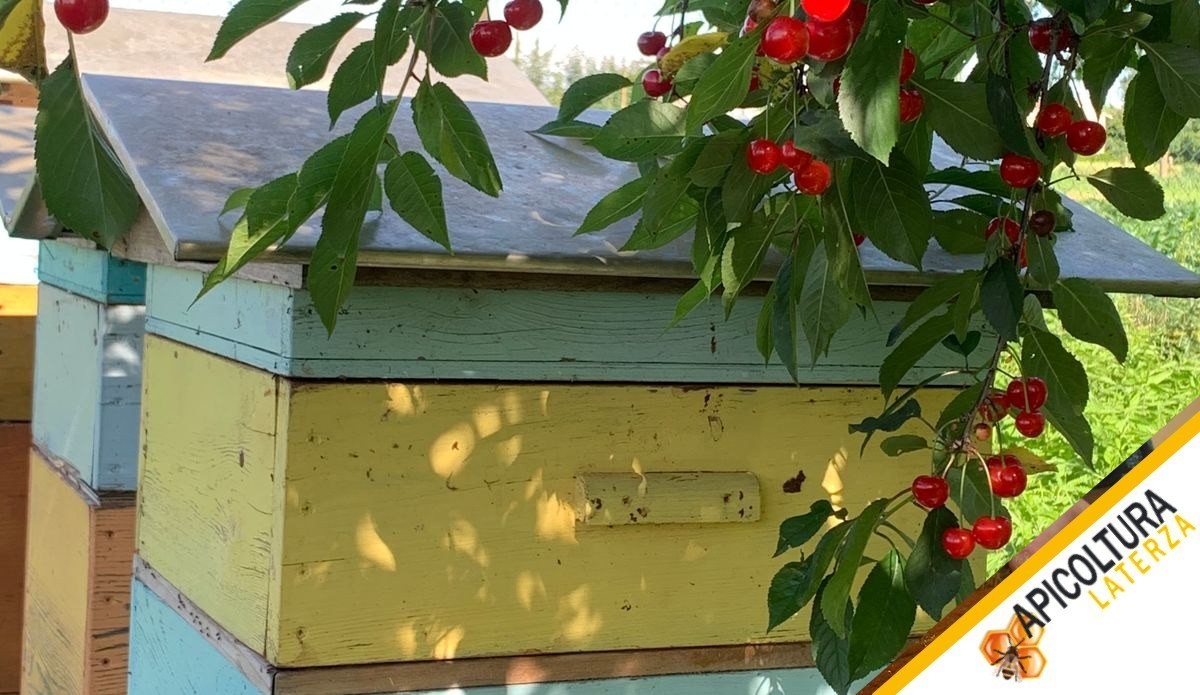
Apis mellifera: the honey bee
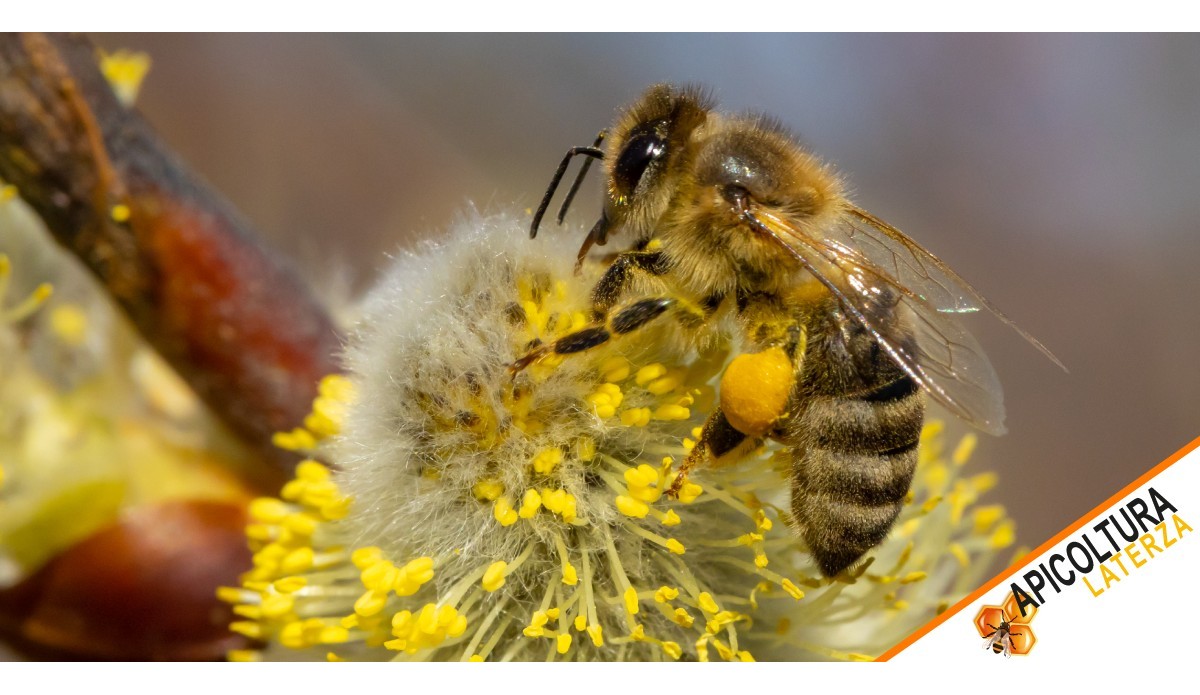
At Apicoltura Laterza, we work closely with bees every day and we know how important it is to share clear, simple, and accurate information about these extraordinary insects. In this article, we want to take a closer look at the Apis mellifera, also known as the honey bee—a species that is essential not only for honey production but also for the balance of the entire ecosystem.
At Apicoltura Laterza, we work closely with bees every day and we know how important it is to share clear, simple, and accurate information about these extraordinary insects. In this article, we want to take a closer look at the Apis mellifera, also known as the honey bee—a species that is essential not only for honey production but also for the balance of the entire ecosystem.
What is Apis mellifera and why is it so important?
Apis mellifera is the most well-known and widespread species of bee in the world. It is also called the honey bee or the European bee, as it originates from Europe, Africa, and parts of Asia. Over millions of years, this species has evolved to become a true specialist in honey production and pollination.
Most of the honey found on human tables is produced by this bee. Honey bees are the primary bees raised by beekeepers, thanks to their social organization and incredible adaptability.
The Italian bee: a treasure to protect
When we talk about Italian bees, we often refer to a highly valued subspecies: the Italian bee, also known as Apis mellifera ligustica, which belongs to the larger Apis mellifera group. This variety is considered one of the best in the world for honey production and for its gentle behavior.
The Italian bee is favored by beekeepers because it is easier to manage and ensures a large part of the national honey production. At Apicoltura Laterza, we strongly believe in the protection of Italian bees, as they represent a natural, cultural, and economic heritage.
Honey bees and colony organization
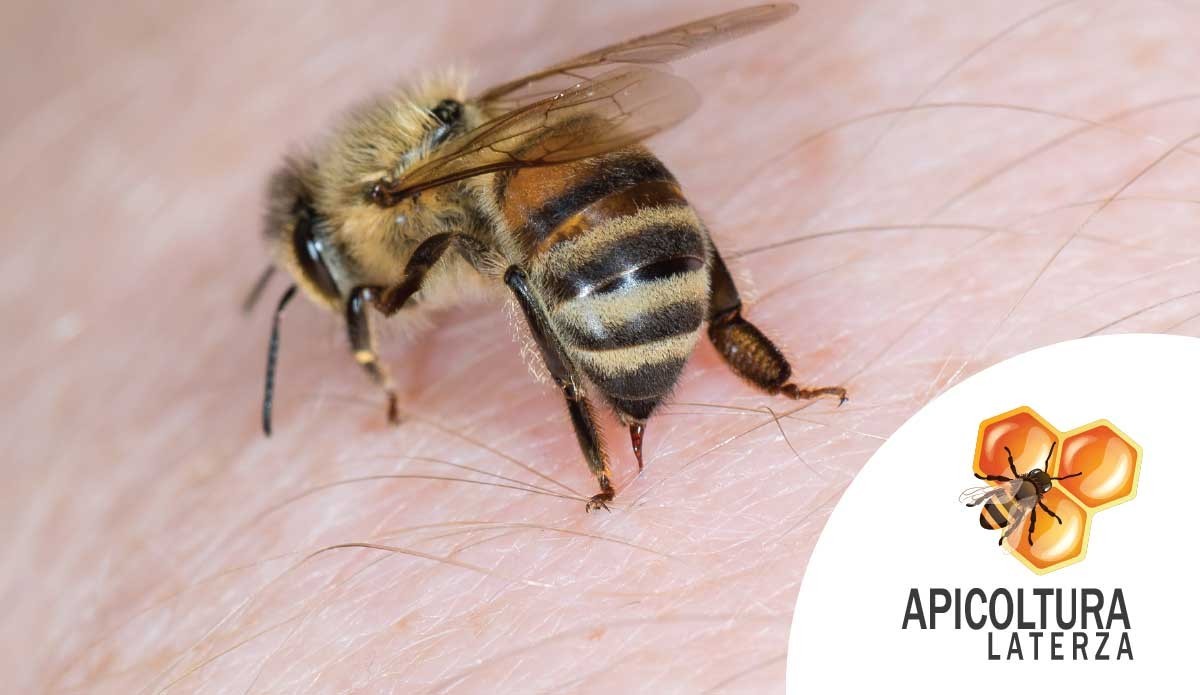
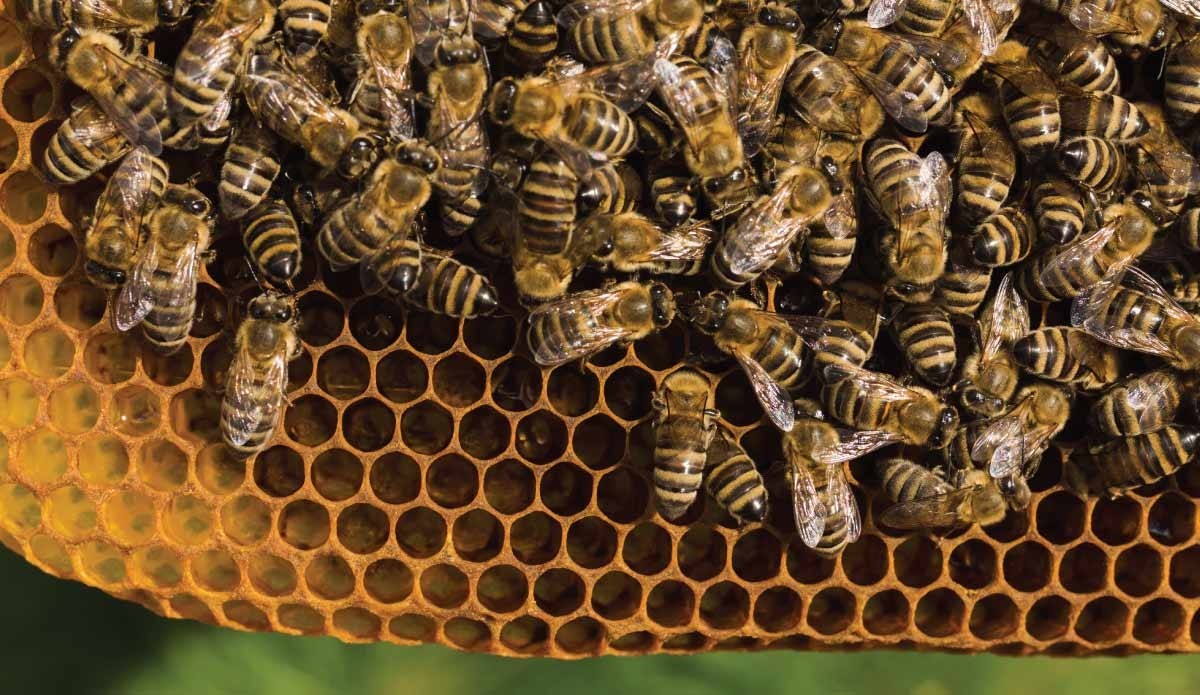
Honey bees live in highly organized colonies where each individual has a specific role. Inside the hive, we find the queen, drones, and worker bees. It is the worker bees that perform most of the tasks—from collecting nectar to building combs and defending the colony.
Defending the colony is crucial for the survival of honey bees. The worker bees are always ready to protect the hive from predators and threats, showing a strong sense of cooperation and sacrifice.
The role of royal jelly and the honey bee
A key element in the life of the honey bee is royal jelly, a nutritional substance produced by the worker bees. All bees are fed royal jelly in the first days of their lives, but only the future queen continues to receive it for her entire life. This detail shows how life in the hive is regulated by nutrition.
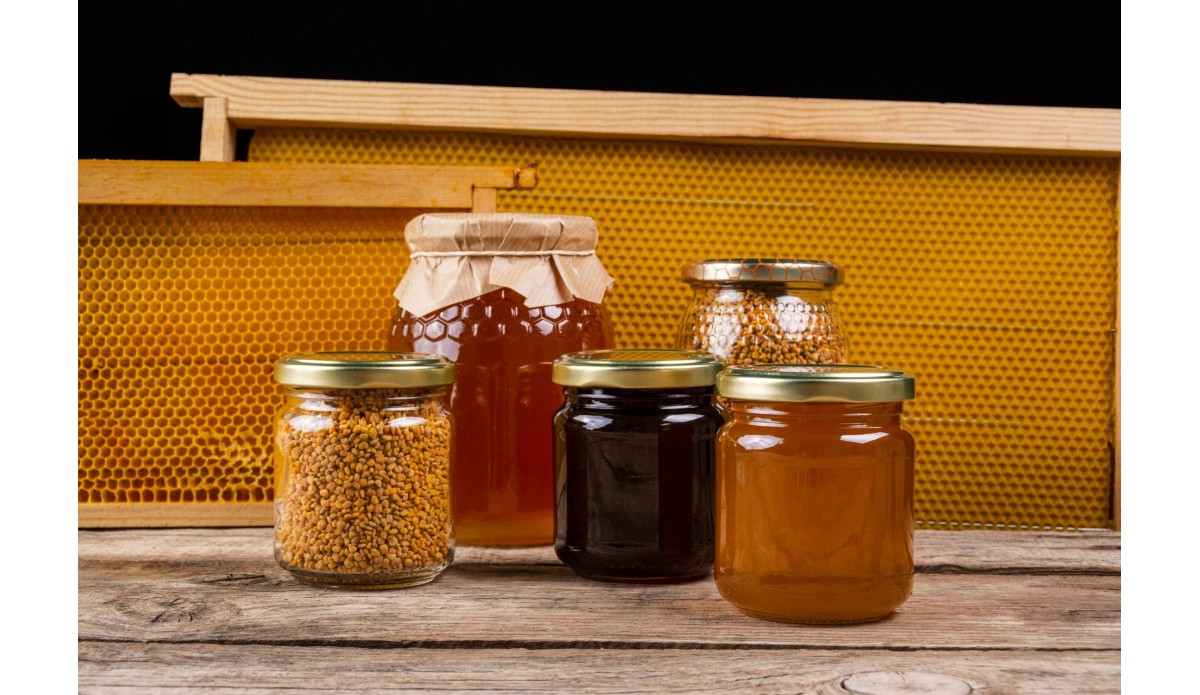
Royal jelly is one of the hive’s most valuable products, appreciated by humans for its nutritional properties. Once again, Apis mellifera proves how closely tied it is to our well-being.
Honey bees and their relationship with humans
Honey bees have had a relationship with humans for millennia. Since ancient times, people have learned to raise Apis mellifera to obtain honey, wax, and other hive products. This bond has grown stronger over time, especially due to the honey bee’s ability to improve agricultural production through pollination.
Today, most crops depend directly or indirectly on the activity of bees. Without them, many plants couldn’t reproduce properly. This is why protecting the honey bee also means protecting our future.
The European bee: past and present
The European bee has survived climate changes, environmental transformations, and human intervention. From an evolutionary perspective, it is one of the most resilient insect species. However, today it faces new challenges such as pollution and the reduction of natural habitats.
At Apicoltura Laterza, we believe that informing and raising awareness is essential. Learning about Apis mellifera helps us understand why we must protect it and why every single bee has enormous value for the entire planet.
Conclusion: why Apis mellifera is irreplaceable
In conclusion, Apis mellifera, also known as the honey bee, European bee, or Italian bee, is the heart of modern beekeeping. Most of the honey consumed by humans comes from the tireless work of honey bees—especially the worker bees—that contribute daily to the life of the hive and the defense of the colony.
From millions of years ago to today, this species has accompanied the evolution of humans and agriculture. At Apicoltura Laterza, we believe that telling the story of Apis mellifera also means taking on the responsibility of protecting, valuing, and respecting it—because without it, our world would be far poorer.
In Same Category
- Beekeeping Site Agreements: Terms and Fees with the Landowner
- The Italian Beekeeping Register: Registration, Apiary Sign and Census
- Migratory Beekeeping: When Moving Hives Really Pays
- Selling Honey: Labelling and Direct Sale Without Mistakes
- Hive Materials Compared: Wood, Polystyrene and Sizes, What Really Changes
Related by Tags
- Beekeeping Site Agreements: Terms and Fees with the Landowner
- The Italian Beekeeping Register: Registration, Apiary Sign and Census
- Migratory Beekeeping: When Moving Hives Really Pays
- Hive Materials Compared: Wood, Polystyrene and Sizes, What Really Changes
- Beekeeping Equipment for a Growing Apiary: What You Really Need and in What Order