How Many Legs Does a Bee Have: Everything You Need to Know About the World of Bees
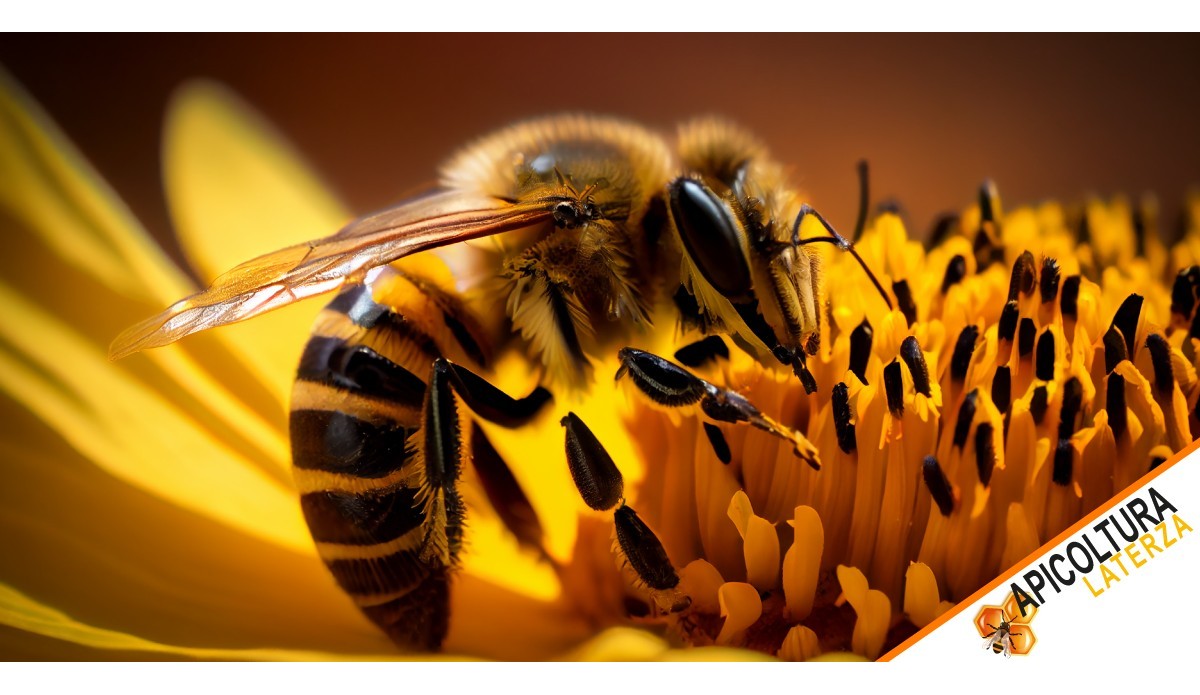
In the vast universe of insects, bees play a vital role for both the environment and humanity. In addition to being the main producers of honey, they perform a fundamental task in pollination and thus for biodiversity. But have you ever wondered how many legs a bee has? Or how many eyes a bee has? In this article, we will answer these and other questions, providing insights about bees that will make you appreciate these extraordinary insects even more.
How many legs do bees have?
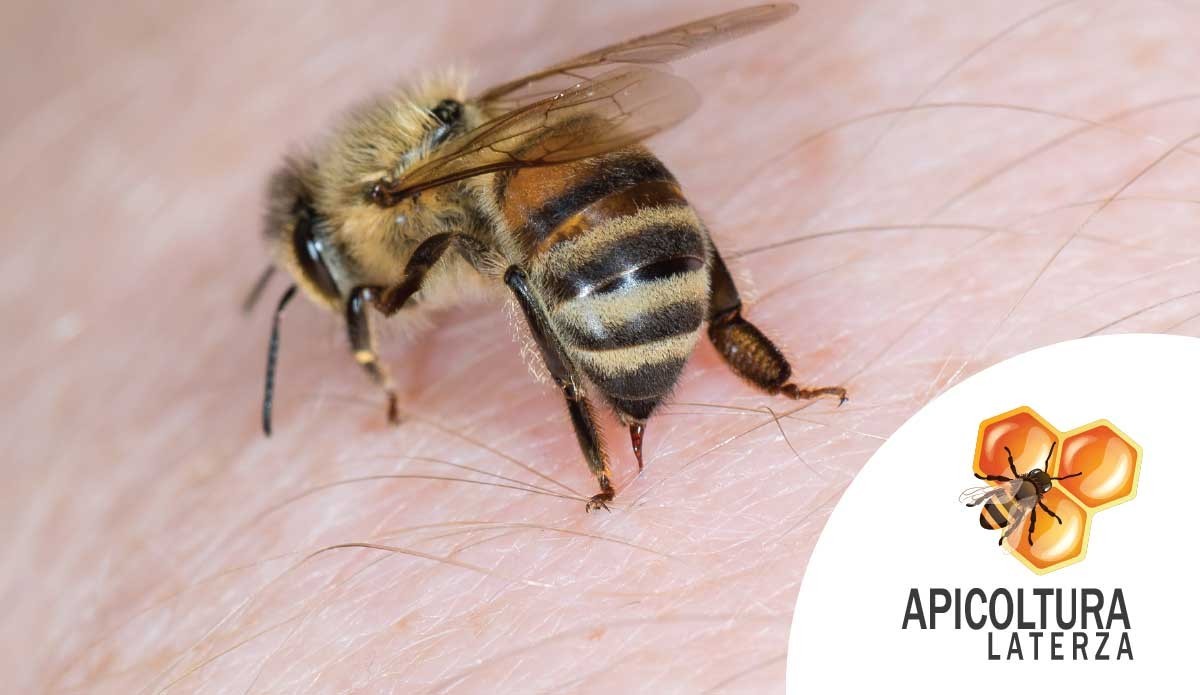
The answer is simple yet interesting: bees have six legs, divided into three pairs, like all insects. The legs are one of the bee's main body parts and perform essential functions for its survival and the colony's wellbeing.
The front legs are mainly used to clean the four front eyes and antennae. The hind legs, on the other hand, are specially adapted for collecting pollen. They have structures known as “pollen baskets” or “corbiculae,” which hold the pollen gathered from flowers. This pollen is later stored in the hive and used to feed other bees or transformed into honey along with nectar.
How many eyes does a bee have?
Many people are surprised to learn how many eyes a bee has. A single bee has five eyes: two large compound eyes on the sides and three simple eyes (ocelli) arranged in a triangle on top of the head.
The compound eyes help the bee perceive shapes and movements, while the ocelli are light-sensitive and aid orientation during flight. This feature further proves how sophisticated and well-adapted bees are to their role in nature.
The role of bees in the hive
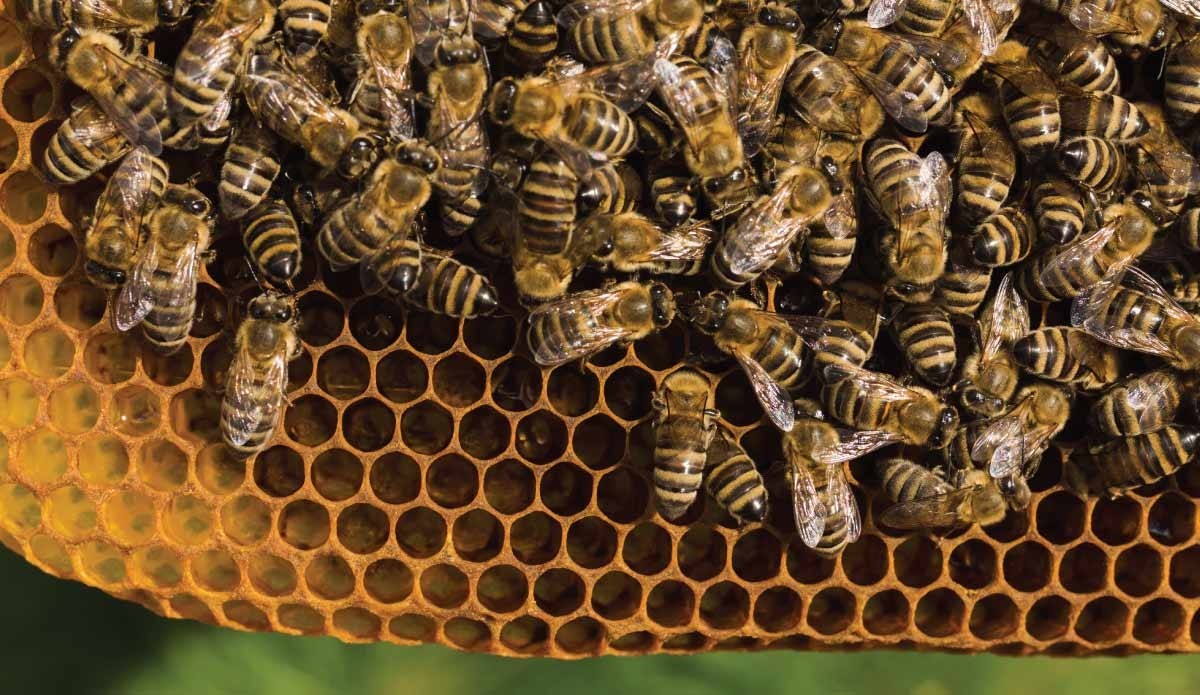
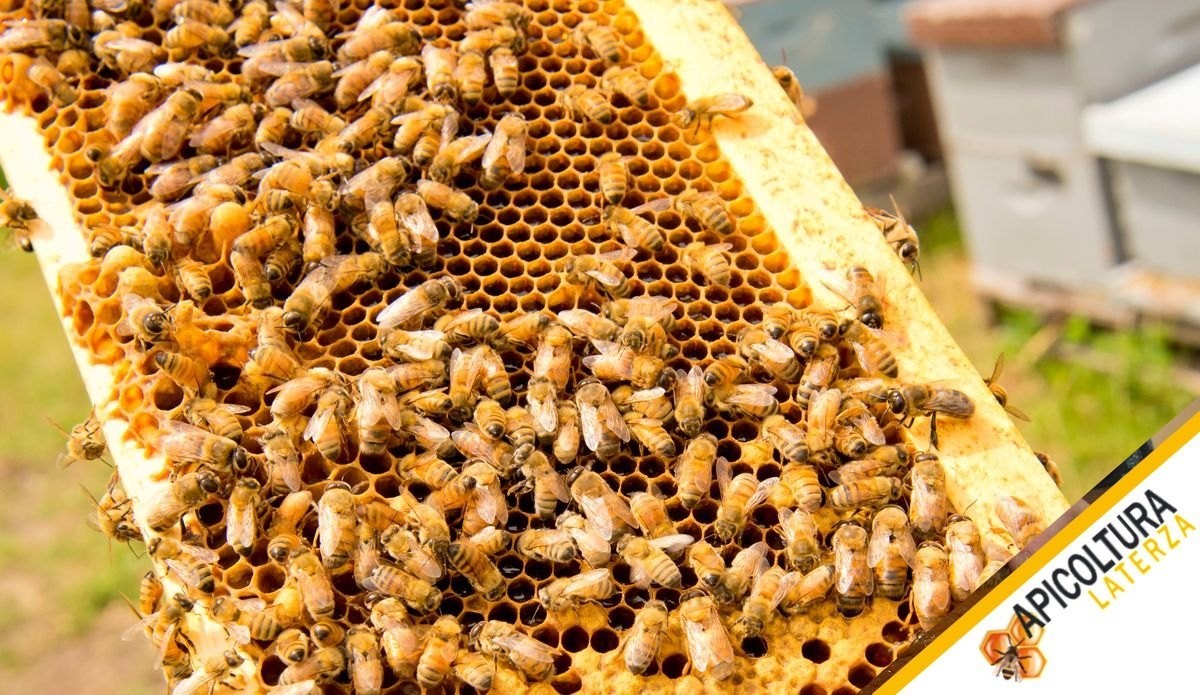
Inside the hive, each bee has a precise role. Worker bees are the most numerous and handle almost everything: from collecting nectar and pollen, to caring for the newborn queen, to building and maintaining the hexagonal cells. These cells can contain honey, pollen, or eggs. The cells designated for a new queen are called royal cells and are larger than the others.
A queen bee, fed exclusively on royal jelly, can lay up to 2,000 eggs per day at the peak of the colony’s development. Worker bees, on the other hand, live much shorter lives but are crucial to the survival of the community.
Bee legs: not just for walking
As mentioned, bee legs are not only for moving. The front legs are equipped with comb-like structures that help clean their eyes and antennae. The hind legs of worker bees are the most specialized, fitted with a kind of basket to collect pollen. When the bee lands on a flower, it uses its proboscis-shaped mouthpart to suck nectar, while collecting pollen that sticks to its body. This pollen is then brushed and packed using the legs and stored in the corbiculae.
Once back in the hive, the bee deposits the pollen in the honeycomb, where it is mixed with honey to form "bee bread," a crucial food for larvae.
Honey production: a complex process
Honey production starts when a forager bee sucks nectar from flowers using its proboscis-like mouthpart. The nectar is stored in a sac called the “honey stomach.” Once back at the hive, the bee transfers the nectar to another bee, which processes it with enzymes from its mandibular glands. This process repeats several times until the nectar transforms into honey and is stored in the honeycomb.
Besides honey, bees gather pollen to feed the larvae and to ensure winter reserves. All hive products (honey, pollen, propolis, wax, and royal jelly) have uses and benefits for humans too.
When a bee is born
When a bee is born, it emerges from its cell fully formed and begins its life cycle. Worker bees spend the first weeks inside the hive doing tasks such as brood care, wax production, and nest ventilation. Only in the final stage of their life do they leave the hive to forage.
The newly emerged queen bee, however, lives a completely different life. After birth, she eliminates any rivals in royal cells and, a few days later, performs a nuptial flight during which she mates with several drones. Upon returning to the hive, she begins her egg-laying phase.
A truly perfect organization
The social structure of bees is a true marvel of nature. Every individual has a precise function, and everything operates in perfect harmony. Bees continuously cooperate, showcasing a level of teamwork that humans could learn from.
Without bees, many crops we rely on for food would disappear, as no other insect can replace them in pollination. Bees are not only fascinating but also vital to the ecosystem.
Conclusion
In this article by Apicoltura Laterza, we explored the world of bees by answering common questions: how many legs a bee has, how many eyes a bee has, and we provided rich information about bees. We examined how every part of the bee’s body—legs, eyes, mouthparts—serves a specific purpose.
We discussed the birth of the queen, the role of worker bees, pollen collection, nectar, mandibular glands, and how each bee contributes to colony life.
Bees are more than honey and pollen producers—they are engineers, nurturers, explorers, and architects. Let’s protect them, learn from them, and remember that every flight and every grain of pollen collected supports life on Earth.
In Same Category
- Urban Beekeeping: Rules, Siting and Good Neighbours for Keeping Bees in the City
- Wildflower, Monofloral or Honeydew: How to Tell Honeys Apart and Choose the Right One
- Swarming: Recognising the Signs and Managing It in Spring
- Planning Your Apiary for 2027: How Many Colonies and Which Bees
- How a Bee Colony Is Organised: Queen, Workers and Drones