Marking the Queen Bee: Useful Tips from Apicoltura Laterza
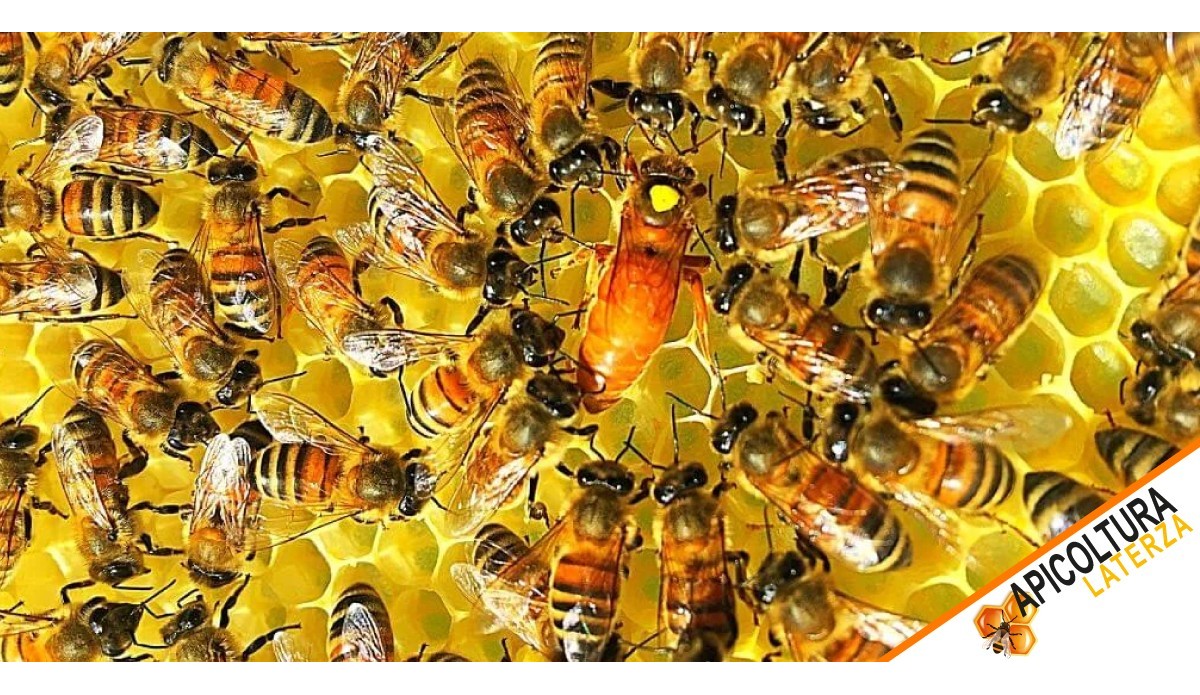
Marking the queen bee is an essential practice for every beekeeper, whether experienced or a beginner. This simple act allows quick identification of the queen inside the hive and helps track her birth year accurately. But how do you properly mark the queen bee? In this article, Apicoltura Laterza will guide you step by step through the queen bee colors, how to mark her, and the best times of the season to do it successfully.
The Importance of Marking the Queen
Anyone who practices beekeeping knows how hard it can be to find the queen among thousands of worker bees. That’s why queen marking is used: a practical system where a small drop of colored paint is applied to the queen's thorax.
Marking the queen serves several purposes:
-
Makes her easy to spot among other similar-looking bees.
-
Helps monitor the productivity of the hive.
-
Indicates the age and birth year of the queen.
-
A marked queen also helps observe colony behavior and understand if she has been naturally replaced or if a new queen has emerged.
Queen Colors: The International Color Code
The queen bee color system follows an international code used by beekeepers worldwide. Each year is associated with a specific color, allowing instant identification of the queen’s birth year. Here’s the official chart:
-
White → years ending in 1 or 6
-
Yellow → years ending in 2 or 7
-
Red → years ending in 3 or 8
-
Green → years ending in 4 or 9
-
Blue → years ending in 5 or 0
This system is key to knowing at a glance if a queen is young or old, helping decide whether it’s time to replace her. Apicoltura Laterza recommends updating the marking whenever a newly born or purchased queen is introduced.
When to Mark the Queen Bee
Marking can be done in spring or autumn when colonies are calmer and smaller. In spring, it’s easier to find the queen directly on the comb as the bee population hasn’t peaked yet.
The process takes just a few minutes, but it should be done carefully to avoid stressing the hive.
In winter, when bees are less active, it’s not advisable to open the nest, as it could harm the colony. However, if a new or purchased queen needs to be marked, this can be done quickly in a warm, protected environment.
Step-by-Step Guide: How to Mark a Queen Bee
-
Find the queen. Look near brood cells; she’s usually surrounded by worker bees.
-
Handle gently. Use a small cage or marking tube to avoid harming her.
-
Apply paint. Use a tiny drop of bright, non-toxic paint on her thorax. Avoid wings or head.
-
Let it dry. Quick drying is essential so she can return to the hive promptly.
Avoid contaminating her with foreign smells, as worker bees might reject or attack her.
Materials Needed
-
Fast-drying, color-coded markers
-
Marking cage or tube
-
Non-toxic, long-lasting paint
Apicoltura Laterza uses only safe, bee-friendly products to ensure queen and colony health.
Useful Tips
-
Mark only if the queen is mated and accepted in her hive.
-
Avoid marking during cold or stressful periods.
-
If you introduced a new queen, wait a few days before marking.
-
A tiny drop of paint is enough—too much can hinder her ability to lay eggs.
When to Replace the Queen
Even if marked, a queen bee may become less productive after 2–3 years. Apicoltura Laterza recommends replacing her with a newly born or purchased queen to maintain hive productivity.
Queen Colors and Hive Behavior
Bees see colors differently: they perceive blue, green, and ultraviolet best. The queen marking colors are chosen to be visible to both bees and beekeepers without altering colony behavior.
Timing in the Beekeeping Season
The best time for marking depends on climate and region. In Puglia, Apicoltura Laterza suggests doing it between March and May when temperatures are mild.
In autumn, marking helps prepare the colony for winter and ensures you know which queen will overwinter.
Why Choose Apicoltura Laterza
Besides offering honey and natural products, Apicoltura Laterza provides expert support in queen bee management. Their queens are selected, checked, and come with health guarantees.
You can purchase newly born or pre-marked queens with the current year's color.