How long does a bee live? All about the life of bees
When we think of bees, we immediately think of honey, flowers, and pollination. But one question few people ask is: how long does a bee live? The answer is fascinating because the average lifespan of bees depends on many factors, such as their role within the hive, the season they are born, and even the climate.
In this article, we at Apicoltura Laterza will guide you through the life cycle of these extraordinary insects, answering common questions like bee life, average bee lifespan, how long a bee lives, and many other pieces of information about bees. Get ready to discover a perfect, organized, and curious world.
When we think of bees, we immediately think of honey, flowers, and pollination. But one question few people ask is: how long does a bee live? The answer is fascinating because the average lifespan of bees depends on many factors, such as their role within the hive, the season they are born, and even the climate.
In this article, we at Apicoltura Laterza will guide you through the life cycle of these extraordinary insects, answering common questions like bee life, average bee lifespan, how long a bee lives, and many other pieces of information about bees. Get ready to discover a perfect, organized, and curious world.
Hive organization and the lifespan of bees
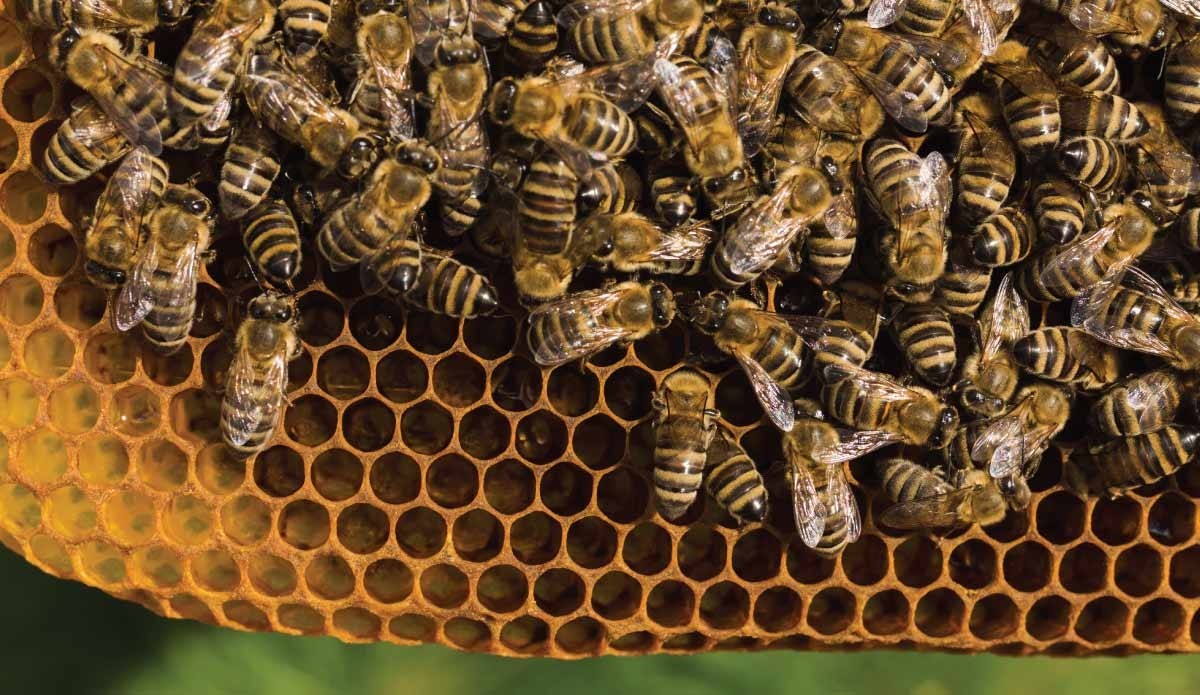
Inside the hive, each bee has a specific task. The society is mainly divided into three castes: the queen bee, worker bees, and drones (the males). Each caste has a different average lifespan.
-
The newly born queen bee participates in her mating flights after a few days and, once fertilized, begins laying eggs. She can live up to 5 years—an eternity compared to the lifespan of worker bees, which lasts only a few weeks or months.
-
Worker bees, the non-reproductive females, live from 30 to 45 days in summer. In winter, however, their lifespan increases to 5-6 months because they perform fewer activities and consume less energy.
-
Drones live only a few weeks and die immediately after mating, if it occurs.
As you can see, how long bees live depends heavily on their role and the season. There is no single answer.
Forager bees and worker bees: who does what?
Forager bees are a subgroup of the older worker bees. They spend most of their lives outside the hive, flying from flower to flower collecting pollen and nectar.
Younger ones remain inside the hive to feed the larvae, clean the cells, and produce wax.
One surprising fact is that foragers’ hind legs are specifically adapted for collecting pollen. They have special structures called “corbiculae,” which function like baskets.
What do bees eat?
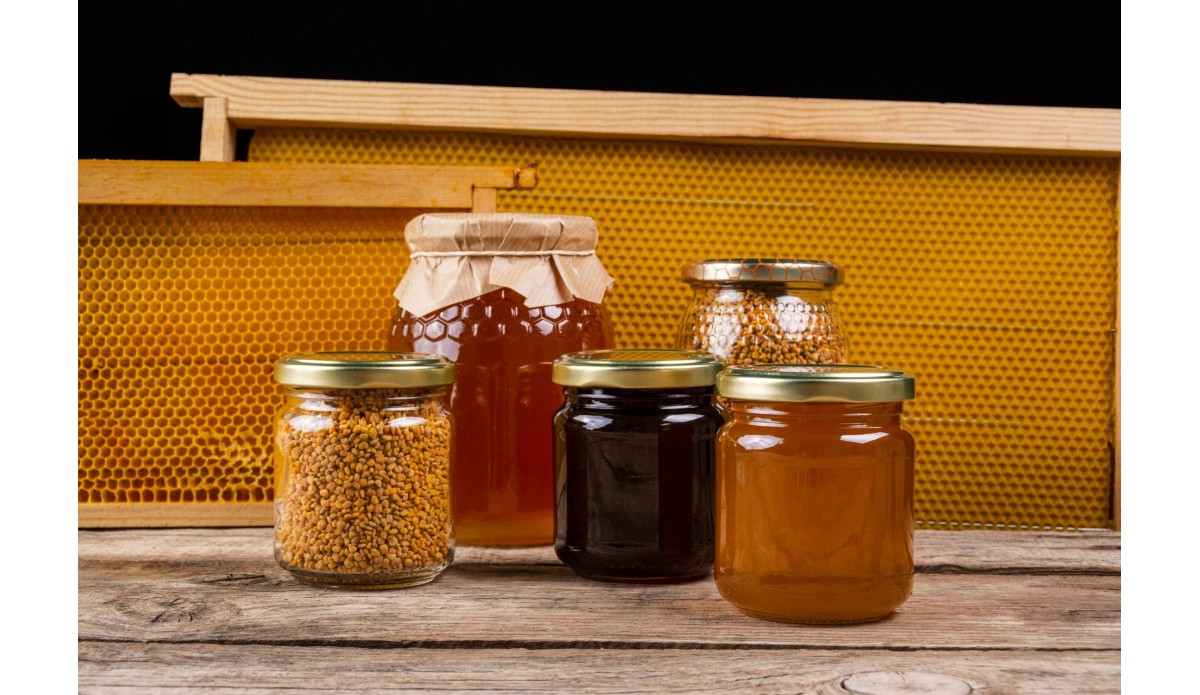
Another question we often get is: what do bees eat? Their main food sources are nectar and pollen. Nectar is rich in sugars and is transformed into honey inside the hive. Pollen, on the other hand, is the primary source of protein and is mainly used to feed larvae.
Honey and pollen together are not only an energy reserve but also a source of health for the colony. Honey and pollen are essential foods both for bees and humans, who gain significant benefits from them.
The life cycle: from birth to death
Each bee goes through several life stages:
-
Egg: laid by the queen in the cell.
-
Larva: fed by other worker bees with royal jelly or honey and pollen.
-
Pupa: develops inside a sealed cell.
-
Adult bee: ready to carry out its task, which changes with age.
Throughout the bee’s lifespan, its role changes in a perfectly ordered sequence. It’s not unusual for a bee to switch tasks within a single day depending on the hive’s needs.
Anatomical curiosities: eyes, legs, and more
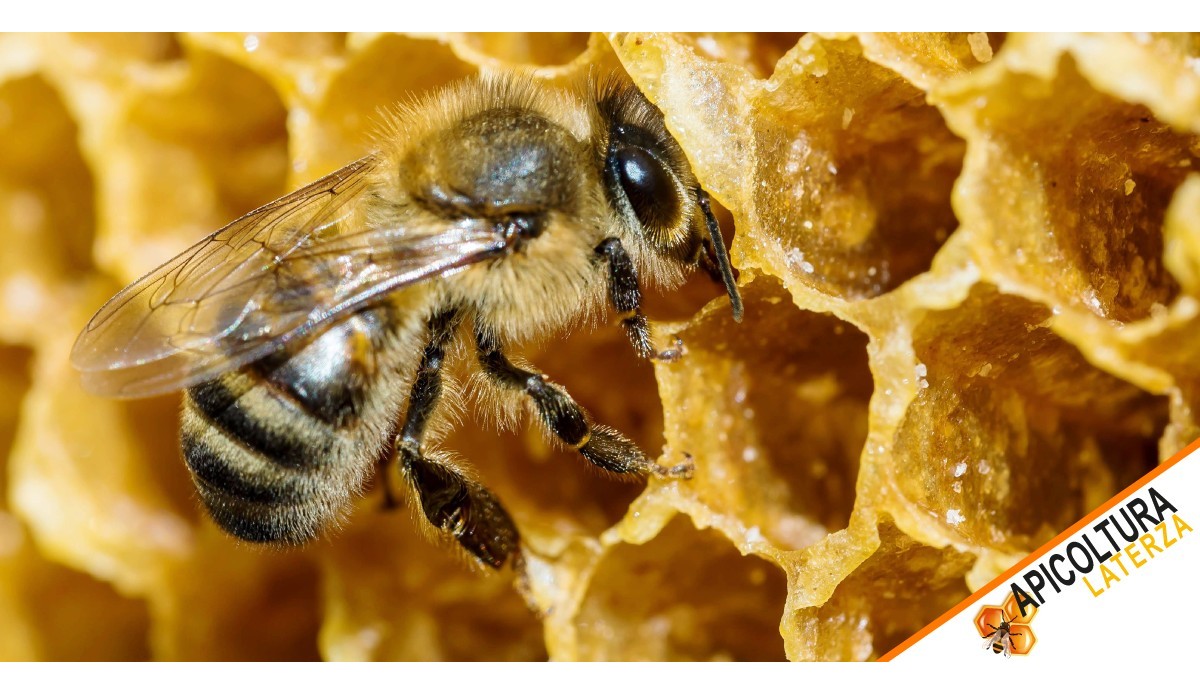
One of the most curious questions is how many eyes a bee has. The answer is surprising: five! Two are compound eyes, perfect for seeing in color and distinguishing flowers. The other three simple eyes are used to perceive light and navigate in flight.
And how many legs do bees have? Like all insects, six. But as mentioned earlier, the hind legs are essential for carrying pollen.
Another interesting aspect is their mouthparts, which are highly specialized: they can suck up nectar and also chew wax to build cells.
And other insects? Comparison with Xylocopa violacea
An interesting comparison can be made with the Xylocopa violacea, a solitary bee very different from social bees like Apis mellifera. This species does not live in colonies, does not produce large amounts of honey, and lacks the complex social organization of honey bees.
While important for pollination, it does not contribute to honey production directly. Its average lifespan is similar to that of winter worker bees.
Bees and humans: a vital relationship
Bees play an essential role in biodiversity and human food production. Without their pollination activity, many crops would disappear. That’s why protecting bees is not just an ethical duty but a necessity.
Honey, as well as pollen, which we consume daily, is produced by bees through collective and tireless work. It is a product that can be consumed pure or used in many different ways.
Conclusion: the wonder of a bee’s life
In conclusion, the life of bees is a perfect example of efficiency, organization, and natural harmony. Understanding how long a bee lives, its average lifespan, or what happens inside the hive brings us closer to these wonderful creatures and reminds us how important it is to respect and protect them.
Want to know more or visit our apiary? Leave a comment! The Apicoltura Laterza team is always happy to share curiosities and knowledge about the world of bees.
Apicoltura Laterza – Keepers of honey, friends of bees.
In Same Category
- Water in the Apiary: Real Needs and Waterers That Actually Work
- Flowering Calendar: Planning the Year on Your Own Flight Radius
- Contract Pollination: How the Service Works for Growers
- Pollen and Propolis: What You Need to Harvest Them and When It Pays
- Urban Beekeeping: Rules, Siting and Good Neighbours for Keeping Bees in the City