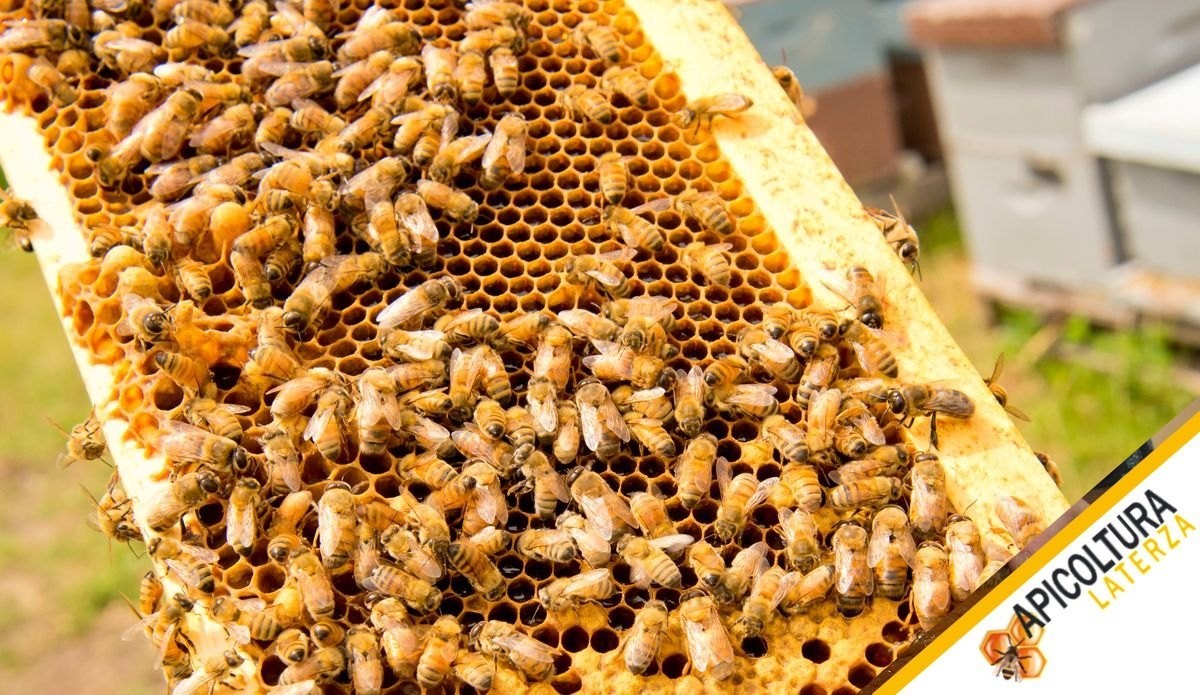
Buckfast, Ligustian or Carniolan Queen Bee: Which to Choose
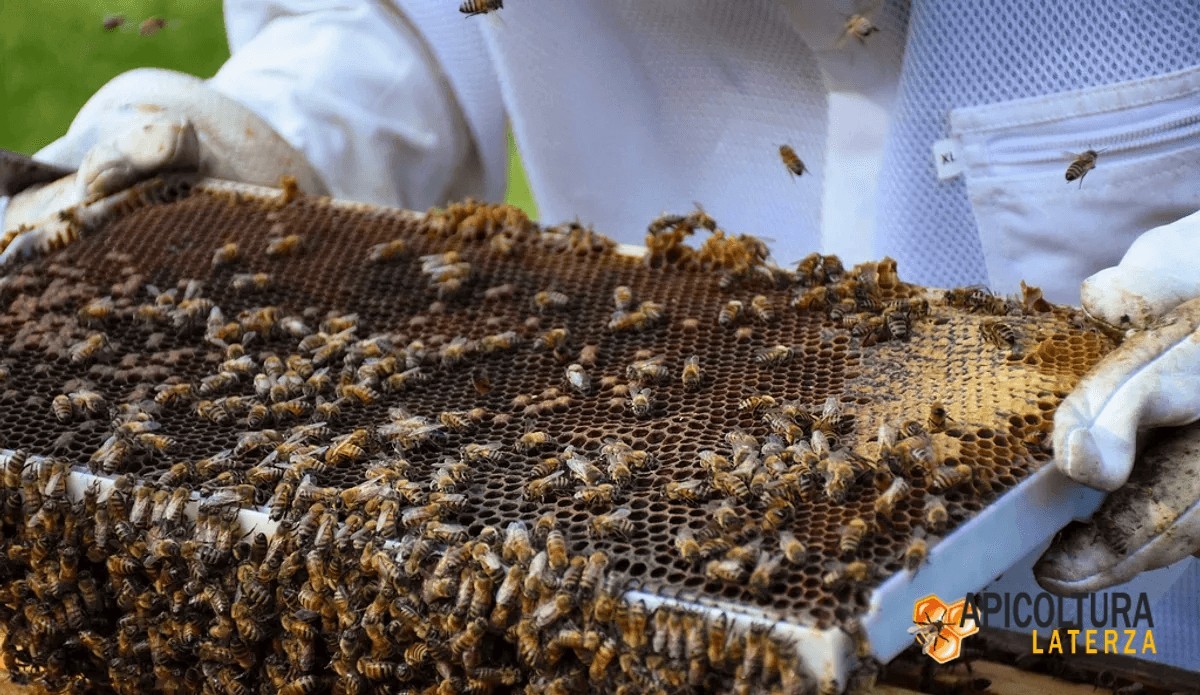
A practical comparison of Buckfast, Ligustian and Carniolan queen bees: temperament, honey yield, swarming and ideal climate to pick the right queen.
The queen is the heart of the colony: genetics, temperament and productivity all flow from her. Choosing the right subspecies or strain is therefore the single most important decision for any beekeeper who wants a healthy, gentle and profitable apiary. In this guide we compare the three queens most in demand – Ligustian (Italian), Buckfast and Carniolan – to help you decide which one truly fits your needs.
Why the queen makes the difference
A young, well-mated quality queen ensures steady laying, strong colonies and a lower tendency to swarm. Poorly selected genetics, on the other hand, mean nervous bees, uneven development and disappointing harvests. Before you order, ask yourself three questions: what climate do you work in, how much honey do you want to produce, and how gentle do your bees need to be, especially if your hives are close to houses.
Ligustian queen bee (Apis mellifera ligustica)
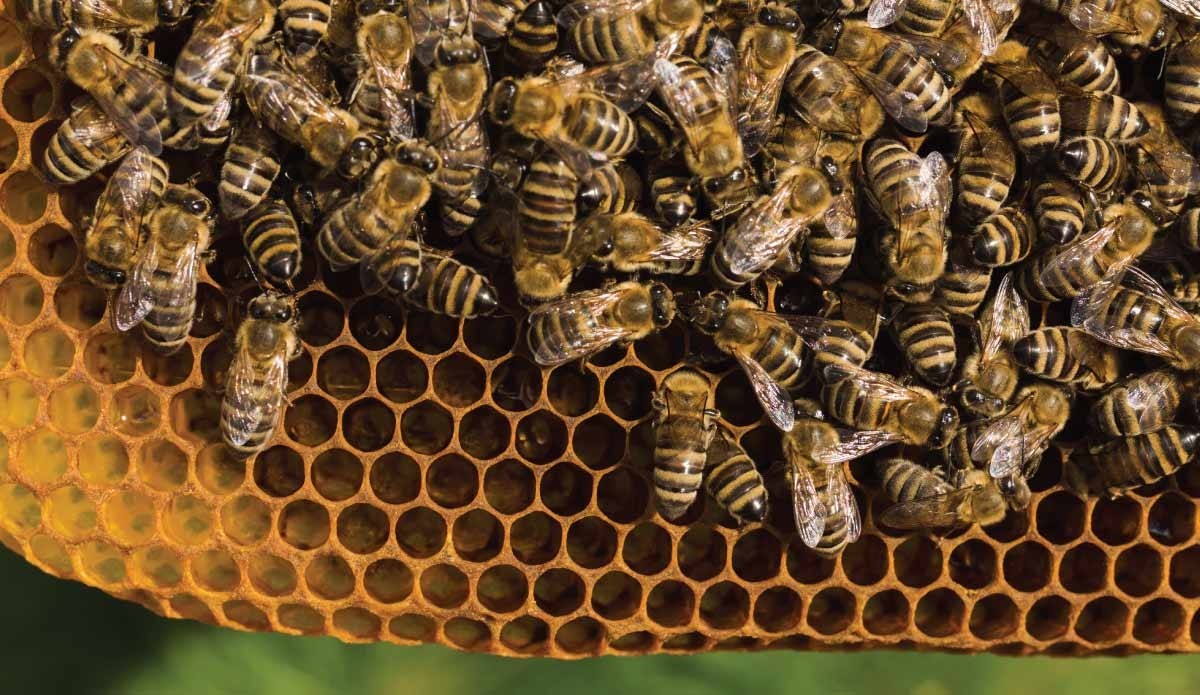
This is the Italian bee par excellence, prized all over the world and easily recognised by the amber-yellow bands on its abdomen.
- Strengths: outstanding gentleness, high prolificacy and excellent honey yields in good seasons; builds large, productive colonies.
- Keep in mind: it keeps laying even during a nectar dearth, so it consumes more stores; it can show a certain tendency to rob and drift.
- Best for: beekeepers in mild, temperate climates who focus on production and want calm bees to handle.
Buckfast queen bee
The Buckfast is not a natural subspecies but a strain developed from the work of Brother Adam at Buckfast Abbey in England, combining the best qualities of several races.
- Strengths: marked gentleness, low swarming tendency, vigorous build-up and excellent productivity; a favourite among professional beekeepers.
- Keep in mind: controlled mating is required to preserve these traits; queens from open re-mating (F2) can produce more variable and sometimes more defensive colonies.
- Best for: those looking for the best balance of yield, easy management and predictable behaviour.
Carniolan queen bee (Apis mellifera carnica)
Native to the Alpine and Balkan regions, the Carniolan is a dark bee famous for its remarkable docility.
- Strengths: among the gentlest bees of all, it overwinters in small clusters on few stores and explodes into brood in spring; excellent sense of orientation.
- Keep in mind: that rapid spring build-up comes with a strong swarming tendency, which calls for timely inspections.
- Best for: beekeepers in cold or mountain climates and anyone who wants maximum gentleness in day-to-day handling.
Quick comparison table
| Trait | Ligustian | Buckfast | Carniolan |
|---|---|---|---|
| Gentleness | High | High | Very high |
| Honey yield | Very high | Very high | High |
| Spring build-up | Fast | Fast | Very fast |
| Stores consumption | High | Medium | Low |
| Swarming tendency | Medium | Low | High |
| Suited to cold climates | Medium | Good | Excellent |
How to choose according to your goals
For honey production
If your goal is the harvest, Ligustian and Buckfast deliver excellent yields on acacia, citrus, sulla and wildflower. Buckfast adds the advantage of reduced swarming, which means fewer interventions at the peak of the season.
For gentleness and hobby beekeeping
If you work near houses or you are just starting out, the Carniolan and the Buckfast will give you calm bees that are easy and safe to manage even without much experience.
For cold climates and mountain apiaries
In areas with long winters the Carniolan is unbeatable: it winters on minimal stores and bounces back strongly as soon as the weather allows.
Mated or virgin queens?
Mated queens are already fertilised and ready to lay: the safest choice to replace a queen or reinforce a nucleus with immediate results. Virgin queens cost less and suit beekeepers who manage mating themselves or have mating stations. For most beekeepers, the mated queen is the more practical solution.
Tips for introducing the new queen
Always introduce the queen in her cage, after checking that the colony has no queen or queen cells. Let the bees release her themselves through the candy over a few days, and avoid opening the nest too soon: patience is the best ally of a successful acceptance.
Order your selected queens from Apicoltura Laterza
We rear and select Buckfast, Ligustian and Carniolan queen bees in Puglia, Italy, offering mated and virgin queens, nuclei on 3 and 5 frames and package bees to grow your apiary with confidence. Fast shipping and dedicated support.
Mated Buckfast queens | Mated Ligustian queens | Nuclei on 3 frames
In Same Category
- Beekeeping Equipment for a Growing Apiary: What You Really Need and in What Order
- Honey Harvest: When to Remove the Supers and How to Get Properly Ripe Honey
- Weak Colonies in Late Summer: Assess, Strengthen or Unite Them Before Winter
- Wasps and Hornets at the Hive: Protecting Bees in Late Summer
- Starting the Season: Spring Checks at the Hive