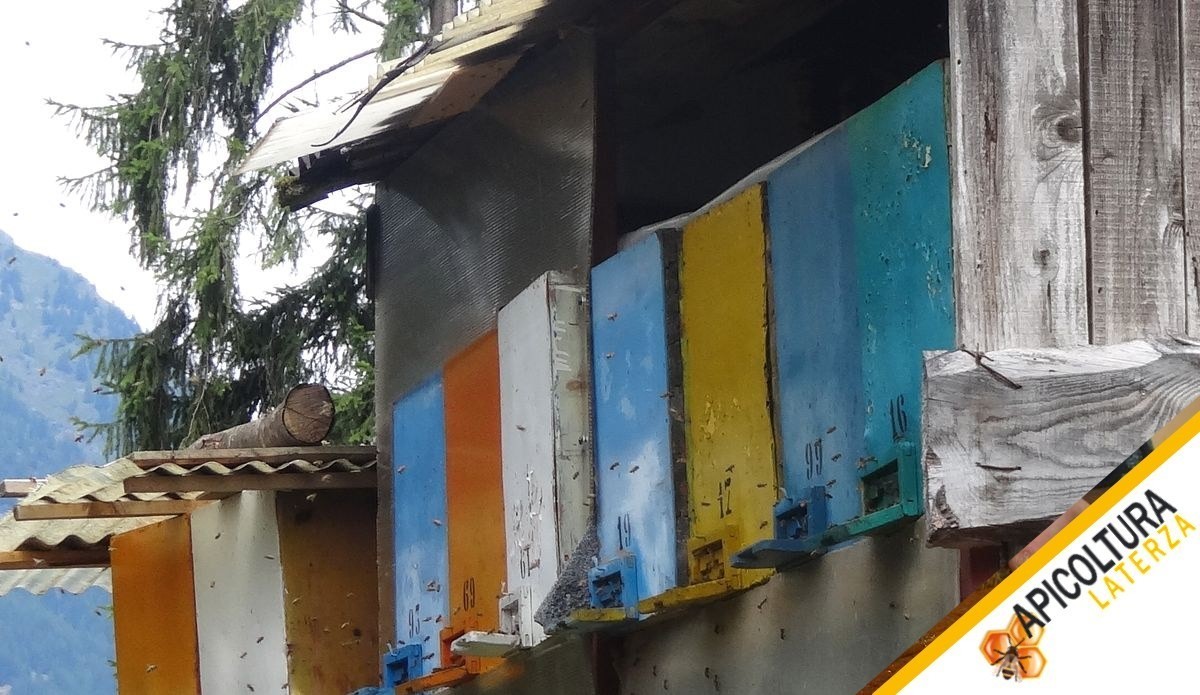
Beekeeping Site Agreements: Terms and Fees with the Landowner
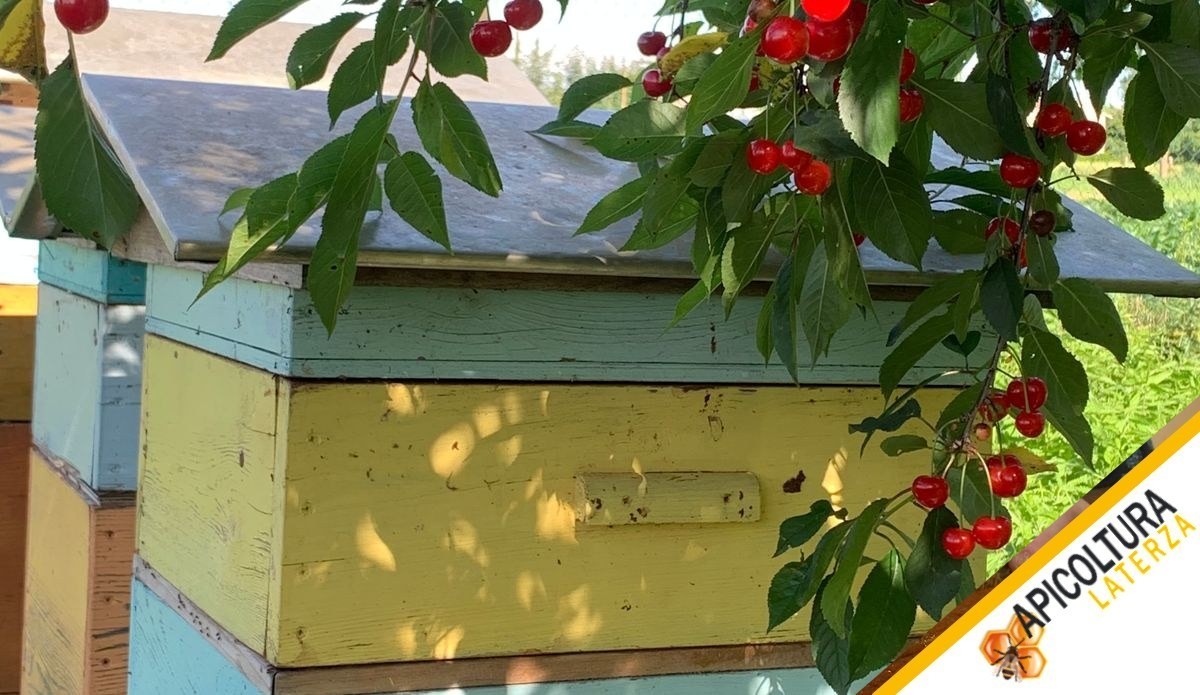
The best site for an apiary is almost never land the beekeeper owns: it is a favour, agreed verbally, that works until something changes. This article explains why it is almost always a loan for use rather than a lease, why an agreement with no written date can cost the site at the worst possible moment of the season, and what to put in writing to protect both the beekeeper and the landowner.
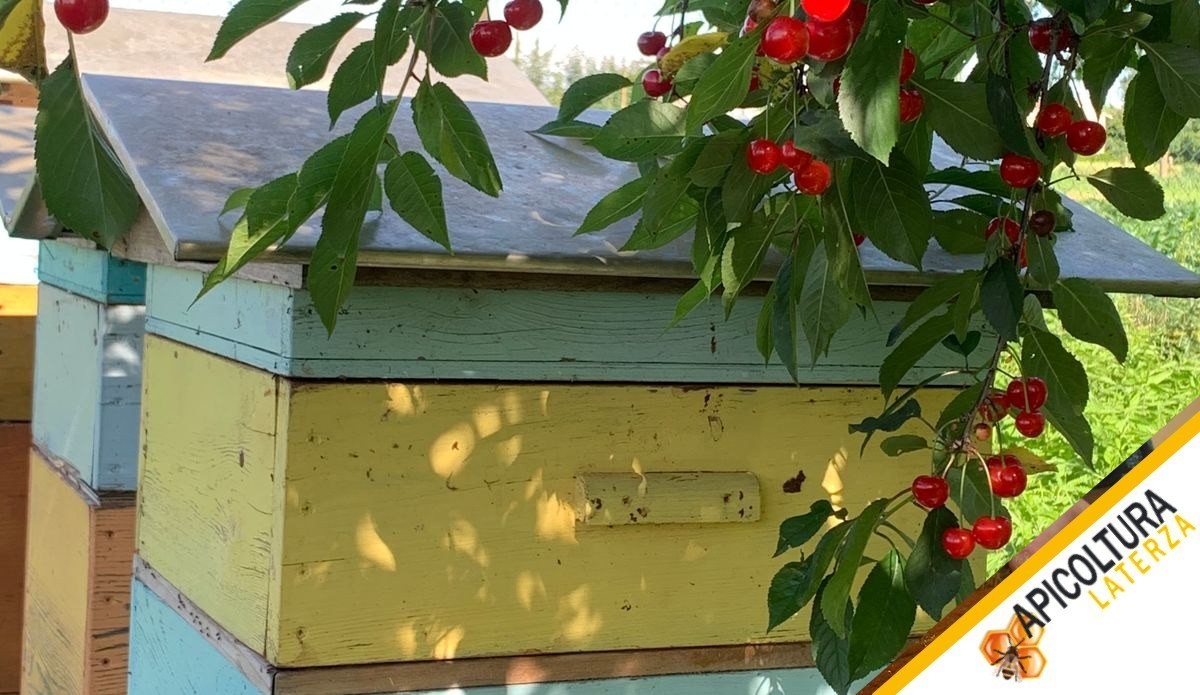
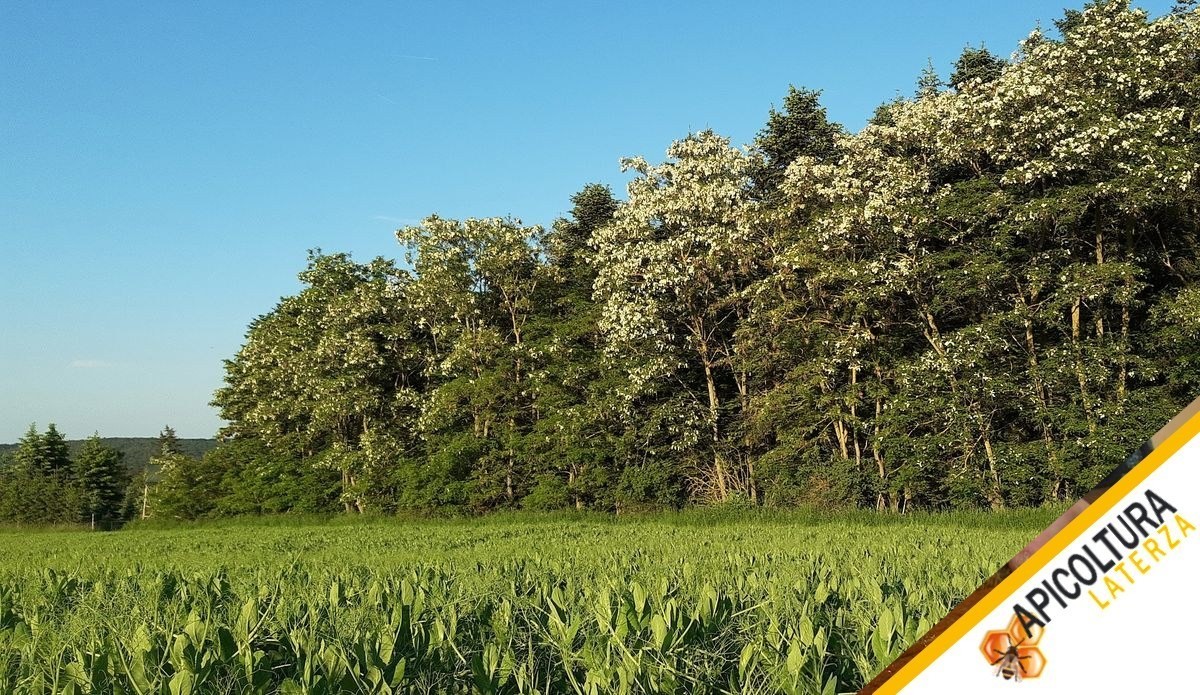
A neighbour's cherry orchard, the edge of a chestnut wood, the overgrown corner of a field nobody tends anymore: the best beekeeping sites are rarely land the beekeeper actually owns. Almost always it is a favour, agreed with a handshake and a few jars of honey at the end of the season. It works, until it does not. The trouble starts when something changes: the owner sells, an heir knows nothing about the arrangement, a neighbour complains about the bees during a garden party. At that point, if nothing was ever written down, who is right depends on rules that almost nobody reads before the first hive goes into the field.
A beekeeping site has a precise legal name, not just a spot in a field
Italian Law 313/2004, which regulates beekeeping in Italy, defines a "postazione" as the site of an apiary, a precise term rather than a figure of speech. The same article defines hive, colony and apiary with equal precision. It is not a lawyer's technicality: it means that where the hives stand is something the law explicitly recognises, and in some cases regulates directly.
Almost never a lease: in most cases it is a loan for use
Whoever hosts someone else's hives usually does not collect a cash fee. The contract that applies, even if nobody calls it that, is what Italian law calls "comodato", the loan for use: the Civil Code defines it as the contract by which one party hands over a thing, movable or immovable, to another so that it may be used for a given time or purpose, with the obligation to return it. The article is clear on a point people often assume the other way round: a loan for use is essentially gratuitous. It is not a disguised lease, it is a genuinely different legal tool, with different rules.
The risk nobody talks about: a loan for use with no end date
Here is the point that actually separates a stable site from a nasty surprise in May. If the agreement states no duration, and none can be inferred from the intended use, the Civil Code requires the borrower, the beekeeper in this case, to return the thing as soon as the lender asks for it back. In practice: a verbal agreement with no date is a precarious loan, and the landowner can ask for the space back at any moment, even in late April with full hives and the acacia about to bloom. No wrongdoing is needed, no reason has to be given. Asking is enough.
This is why the first practical advice in this piece is not legal but operational: whatever form the agreement takes, a duration must always be written down, even a short one, even if it renews automatically. One line that says "until 31 December, then renewed unless either party gives thirty days' notice" is worth more than any verbal promise.
What to put in writing, point by point
A ten-page contract is not required. What matters is that a few things are written somewhere, even in a simple letter signed by both parties: duration and renewal, the maximum number of hives or apiaries hosted (especially if the site is shared with other migratory beekeepers during the same period), the days and times the beekeeper may access the land, the path or gate to use so as not to damage the crops, the minimum notice either party needs to end the agreement, and what happens to the hives if that notice falls at the wrong moment of the season (some technical time to move them, not zero days). The less is left to goodwill in the moment, the less room there is for a misunderstanding mid-season.
The fee: honey, money or nothing at all
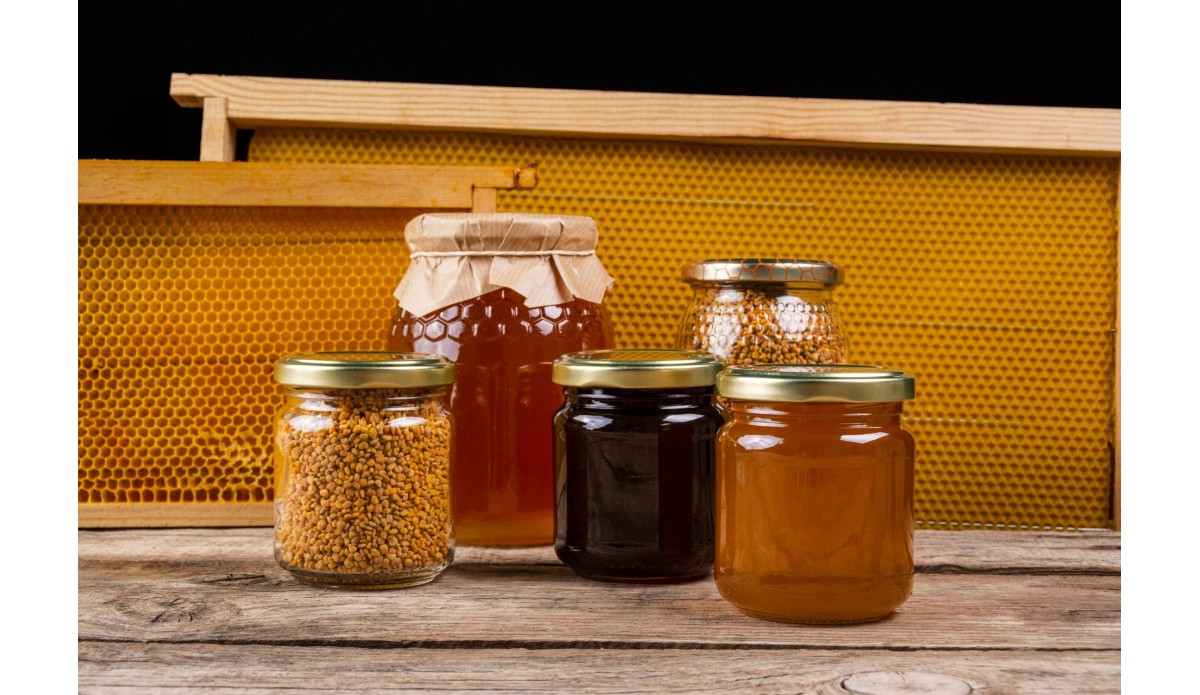
In most cases the landowner's "reward" is not a real fee but a courtesy gesture: a few jars of honey after the harvest, sometimes nothing at all, especially when it is the landowner who asks for the bees because they know the orchard or the vegetable garden will benefit. This fits the gratuitous nature of the loan for use. It is a different matter when a periodic cash payment is agreed: at that point the contract can move outside the scope of a loan for use and closer to an actual lease, with different consequences on the tax side as well. If the arrangement reaches that level of formality, it is worth clarifying its legal nature with an accountant before signing, not after.
Minimum distances can be waived, but only in writing
Article 896-bis of the Italian Civil Code, introduced precisely by Law 313/2004, sets the minimum distances for apiaries: at least ten metres from public roads and at least five metres from property boundaries, public or private. The distance does not apply if there is a level difference of at least two metres between the apiary and the boundary, or if walls, hedges or other barriers at least two metres high are in place and prevent the bees from flying low towards the neighbour. Then comes a sentence worth reading twice: "agreements between the interested parties remain in any case unaffected." It means the landowner can, in writing, release the beekeeper from the five-metre rule, for instance to use an otherwise too narrow corner of a field. Without that written agreement, the statutory distances apply: the right moment to waive them is before the hives go in, not after a complaint.
Who is liable if a bee stings someone
A question many landowners ask themselves, often without saying it out loud, is what happens if a bee stings a passer-by or a guest while the hives are on their land. The answer sits in Article 2052 of the Italian Civil Code: the owner of an animal, or whoever makes use of it, is liable for damage caused by the animal, whether it was under their custody or had strayed or escaped, unless they prove an unforeseeable event. This is a form of strict liability that falls on whoever owns and uses the bees, the beekeeper, not on whoever simply hosts the hives on their own land. It is worth spelling this out explicitly in the agreement, not because the law changes, but so the landowner can genuinely feel at ease saying yes.
If the neighbour sprays the fields, ask before, not after
The same Law 313/2004, Article 4, requires Italian regions to set limitations and bans on plant protection products and herbicides that are toxic to bees during the flowering period. The rule targets whoever treats the crops, not whoever hosts the apiary, but it is still the practical reason to find out, before placing the hives, what grows in the neighbouring fields and with what products it is treated. Asking the landowner, and perhaps the bordering neighbours too, takes five minutes and can prevent colony losses discovered only after the damage is done.
It is not a farmland lease, and it is good that it is not
Anyone who has heard of Italian agricultural tenancy law sometimes worries about having to comply with Law 203/1982, which sets a minimum fifteen-year term for the lease of farmland to a direct cultivator. That is not the case for a beekeeping site: that rule protects whoever farms the land as their own business, not whoever occupies a limited corner to host hives without any agricultural management of the land. The loan for use of a site remains a lighter arrangement precisely because it covers a limited use, not the farming of the land itself: it is worth knowing, because it means none of the protections, and none of the duration constraints, designed for a real agricultural lease apply here.
Registering the agreement: when it is worth doing
A loan for use agreed only verbally generally triggers no tax to pay. If the agreement is instead put in writing and concerns real property, the general rule provides for registration within twenty days of the date of the deed, with a fixed registration tax. This step is not needed for most small arrangements between neighbours, but it can make sense if the site is large, if the relationship is meant to last for years, or simply if having a certain date enforceable against third parties is preferred. For your own specific case, especially if the land belongs to several heirs or there are doubts about the tax consequences, the right move is to ask an accountant before signing, not to interpret the rule on your own.
If the land changes hands, a verbal agreement does not follow
A verbal loan for use is binding only between the people who agreed to it. If the owner sells the land, the heir who inherits it or the buyer who purchases it is not bound to honour an agreement they never signed and may know nothing about. This is one of the most concrete practical reasons to have something in writing, even just a letter: it does not change the gratuitous nature of the loan for use, but it gives whoever comes next the chance to know those hives are there by agreement, and on what terms.
When it is time to look for a new site rather than insist on the current one
A good site does not last forever. The neighbour's crops change, ownership changes, building pressure around the field changes. Beekeepers who weigh each year whether to move their colonies to a different flow will find more operational guidance in our piece on migratory beekeeping and when moving hives really pays off, which deals with the decision of whether to move; here the focus is on how to formalise the chosen place, whether it is a permanent or a migratory one. Beekeepers working in an urban setting, with condominium and neighbourhood rules to respect, will find that specific subject in our article on urban beekeeping, rules and good neighbourliness. And take care not to confuse this agreement with the contract pollination arrangement covered in our dedicated article: there, it is the grower who pays the beekeeper for the bees' work on their crops; here, it is the beekeeper who asks for hospitality for their own hives. Two opposite flows of payment, even though both start from the same need for a clear agreement, explained in detail in contract pollination, how the service works for growers.
Three mistakes that cost a whole season
The first, and most common, is trusting only a spoken promise, with no line written about duration. The second is never asking, before placing the hives, what grows in the bordering fields and what it is treated with during flowering. The third is forgetting that a verbal agreement does not survive a change of ownership: if the land changes hands, the hives can stay only until someone asks them to move, and that moment always seems to arrive at the worst possible time.
The five-point checklist before moving hives onto someone else's land
Before moving even a single nuc onto land that is not your own, it is worth checking five things: the duration of the agreement is written down somewhere, even informally; the notice period for ending it is defined and reasonable relative to the season; the distances from the boundaries respect the statutory five metres, or have been waived in writing; you know what grows in the neighbouring fields and what it is treated with; and, above all, the agreement is clear about who does what if something goes wrong. Five minutes spent writing today are worth far more than a dispute in May.
Adding a new site? Start with colonies that are actually ready
A good written agreement counts for little if the hives you put on that site are weak or started too late. We produce and sell nucs, colonies, package bees and selected queens, with delivery windows set well in advance. Tell us where your new site is and what you need to fill it, and we will tell you what to get and when we can deliver it.
In Same Category
- The Italian Beekeeping Register: Registration, Apiary Sign and Census
- Migratory Beekeeping: When Moving Hives Really Pays
- Selling Honey: Labelling and Direct Sale Without Mistakes
- Hive Materials Compared: Wood, Polystyrene and Sizes, What Really Changes
- Brood Diseases: Reading the Signs and What the Law Requires