Bee Species: A Complete Guide to Bee Breeds
When we talk about bee species, we enter a world full of diversity, adaptation, and extraordinary biological abilities. At Apicoltura Laterza, we work closely with bees every day, and knowing them in detail allows us to take the best care of our colonies. Understanding how many types of bees exist, which bee breeds are most common, and what the main Italian bee types are helps not only beekeepers but also anyone who wants to approach this fascinating world for the first time.
Bees Around the World: How Many Types Do We Really Know?
The question “how many types of bees are there?” is often asked, especially by those who want to better understand the differences between honey bees and other species. Thousands of different species exist worldwide, but only a few produce honey in quantities useful to humans: the famous Apis mellifera, which makes up the majority of colonies managed by beekeepers.
Within Apis mellifera, we find many subspecies or breeds, each with unique characteristics, history, behavior, and productivity. Thanks to their extraordinary adaptability, these bees evolved in various regions of the world. Today, selective breeding helps preserve and enhance these traits.
Italian Bees: A Precious Heritage
Among all Italian bee types, the best-known is undoubtedly the Italian bee, also called ligustica. Its scientific name, Apis ligustica, reflects its origins in our peninsula. At Apicoltura Laterza, we consider it an exceptional work companion thanks to its docility, productivity, and beauty.
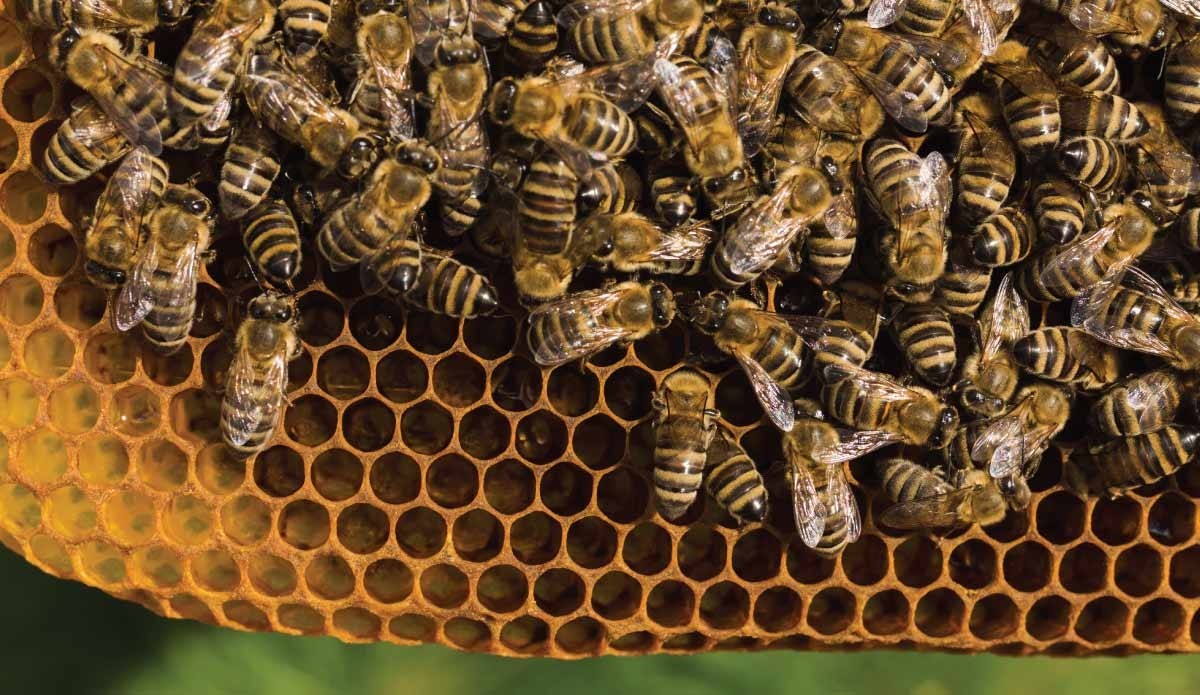
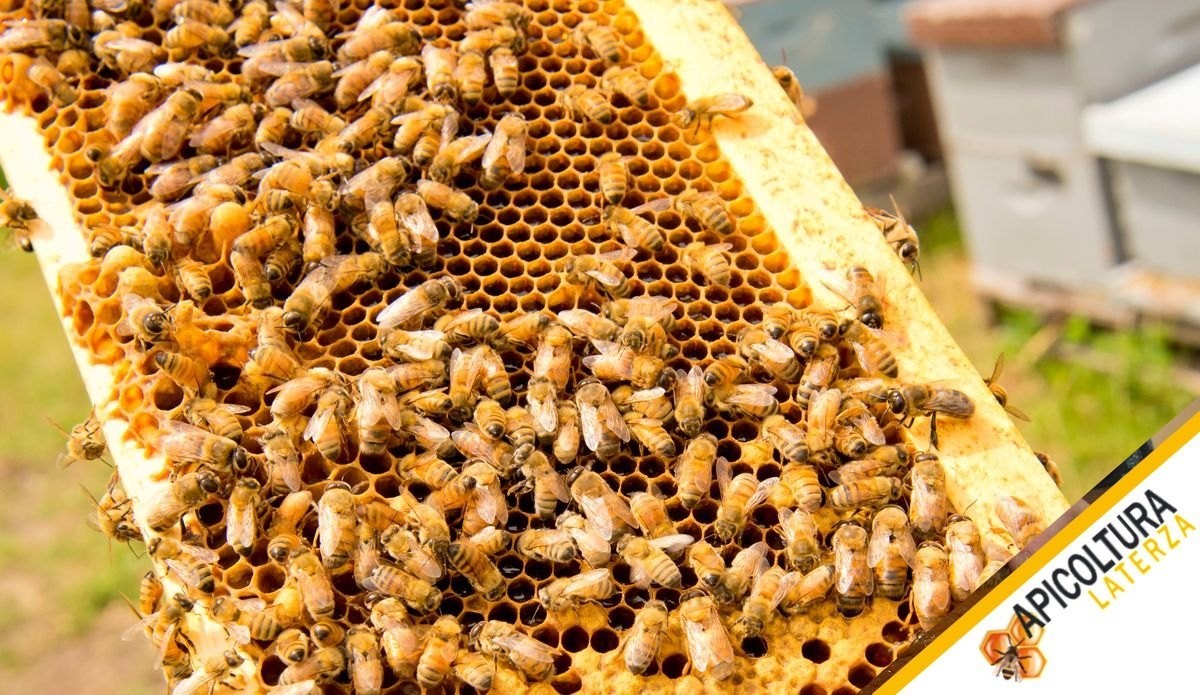
The Italian bee is recognizable by the yellow rings on its abdomen, which distinguish it from other European breeds. It is highly appreciated not only in Italy but also abroad—from the USA to Northern Europe—many beekeepers have chosen this breed for its gentle nature.
Ligustica represents the majority of colonies bred in our country and continues to be a top choice due to its resistance to climate changes—a valuable trait in today’s increasingly unstable seasons.
Other Apis mellifera Breeds
Alongside ligustica, there are other well-known and widespread subspecies in the beekeeping world.
-
Apis mellifera carnica
Appreciated for its gentleness and ability to maintain large colonies. These bees are dark, resilient, and extremely hardworking—an excellent choice for productive and calm apiaries. -
Apis mellifera caucasica
Known for its docile nature and exceptional nectar-gathering ability. It has a long tongue, which allows it to reach deeper nectar sources compared to other subspecies.
These breeds show again how diverse and fascinating the nature of bees truly is.
Species Outside Europe: Apis cerana
In addition to Apis mellifera, which dominates globally, there are other species like Apis cerana, mainly found in Asia. It also produces honey, though in smaller quantities. While not bred in Europe, it is important to understand the global evolution of bees and the long-standing human-bee relationship.
Caste System Within the Hive
Whether Italian, Carnica, or Caucasica, every hive has three main castes:
-
The queen bee – responsible for laying eggs and keeping colony unity;
-
The worker bees – making up the majority of the population, handling all daily tasks;
-
The drones – males, present only during certain periods.
Each breed may show slightly different behaviors, but the social structure remains the same.
The Queen Bee
She has a longer life and a unique role: laying thousands of eggs in spring and influencing the genetics of the colony. Her quality directly affects honey production, population, and resilience.
Worker Bees
The backbone of the hive. Depending on their age, they clean cells, feed larvae, ventilate the nest, build combs, defend the hive, and eventually forage for nectar. Regardless of race or origin, workers are the essential workforce ensuring survival and prosperity.
Honey Production and Environmental Adaptation
One of the main reasons beekeepers choose one breed over another is honey production. Honey bees are mainly bred for this valuable substance made from flower nectar.
-
Ligustica is known for its abundant and steady honey production.
-
Carnica excels in colony management even in harsh climates.
-
Caucasica is valued for foraging under tough conditions.
Adaptability to climate change is now crucial. Flexible and resilient breeds like the Italian bee remain reliable across Europe.
Why Is Breed Selection So Important?
At Apicoltura Laterza, when selecting a breed, we consider not just productivity but also temperament, disease resistance, and adaptability to the environment.
The choice influences:
-
The annual hive yield,
-
Ease of management,
-
Environmental compatibility,
-
Human interaction during inspections.
There is no “perfect” breed—it depends on the conditions.
Conclusion
There are many fascinating bee species in the world. Italian bees—especially Apis ligustica—are a treasured, internationally recognized resource. Learning about bee breeds, understanding how many types of bees exist, and comparing Apis mellifera carnica, Apis mellifera caucasica, Apis cerana, and others means entering the world of beekeeping with greater awareness.
At Apicoltura Laterza, we believe that respect for bees, knowledge, and responsible selection are the first steps toward harmonious coexistence between humans and nature. Bees, with their tireless activity and extraordinary qualities, remind us every day of the value of their work.
In Same Category
- Beekeeping Equipment for a Growing Apiary: What You Really Need and in What Order
- Honey Harvest: When to Remove the Supers and How to Get Properly Ripe Honey
- Weak Colonies in Late Summer: Assess, Strengthen or Unite Them Before Winter
- Wasps and Hornets at the Hive: Protecting Bees in Late Summer
- Starting the Season: Spring Checks at the Hive