How a Bee Colony Is Organised: Queen, Workers and Drones
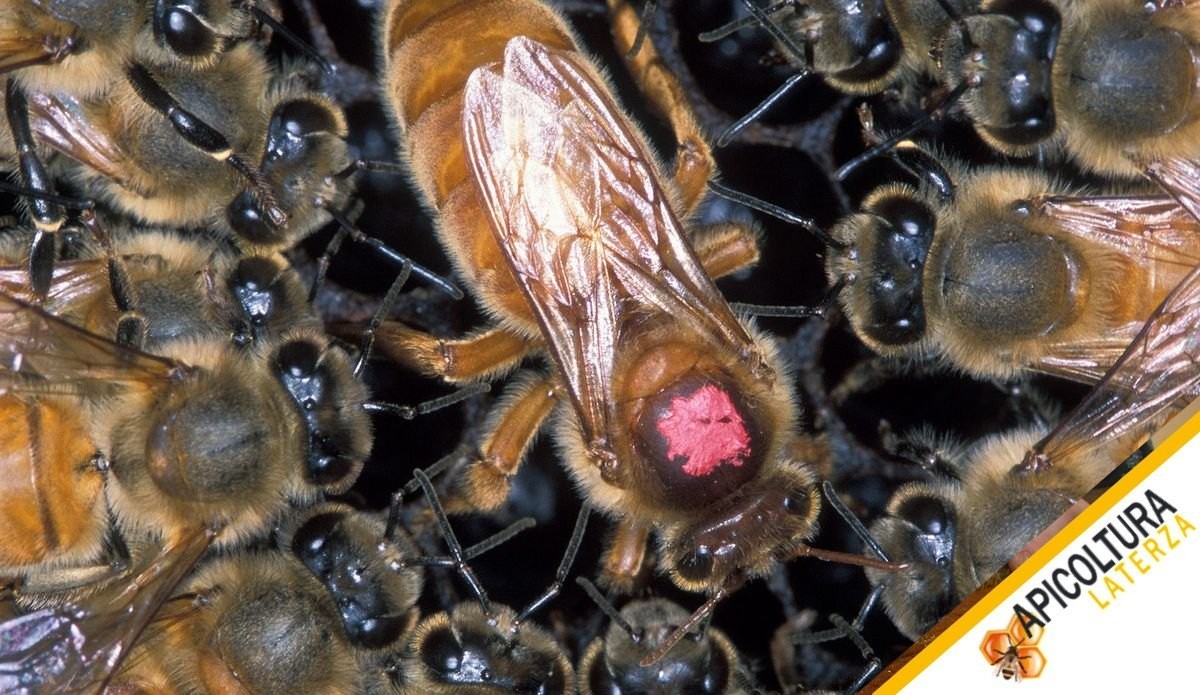
Queen, workers and drones: each caste has a precise role and everything starts with the quality of the queen. Here is how a bee colony is organised.
One organism made of thousands of individuals
Looking inside a hive for the first time is dizzying. Thousands of bees on the move, each busy with something, and no one who seems to be giving orders.
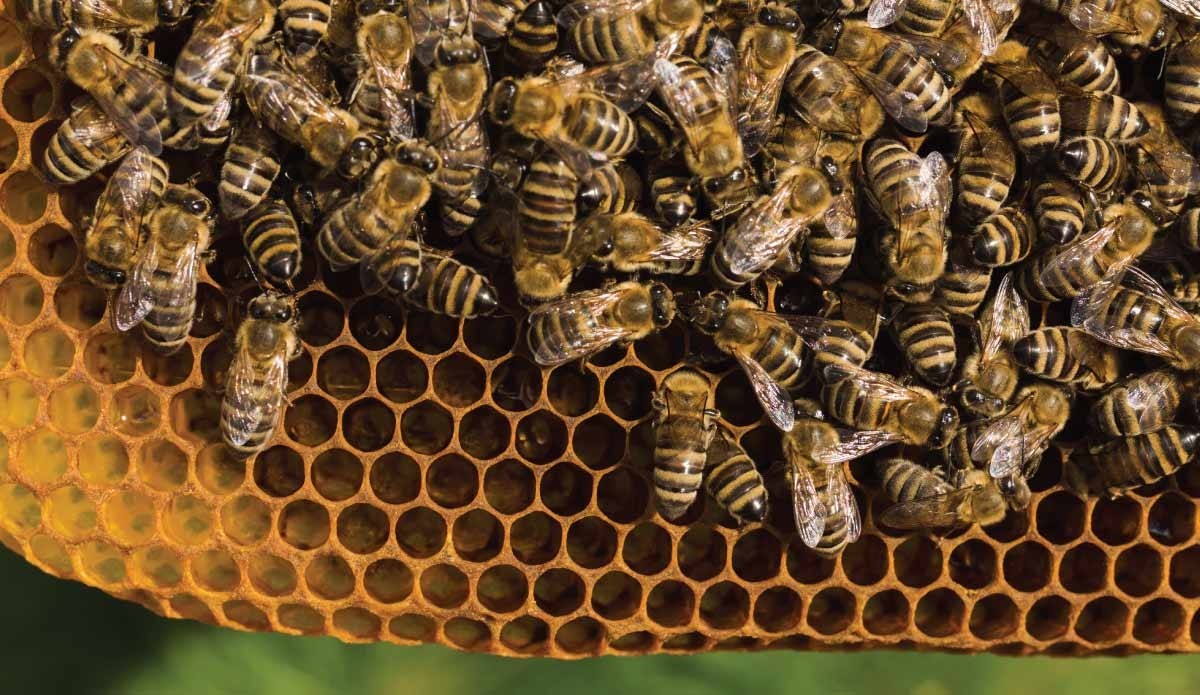
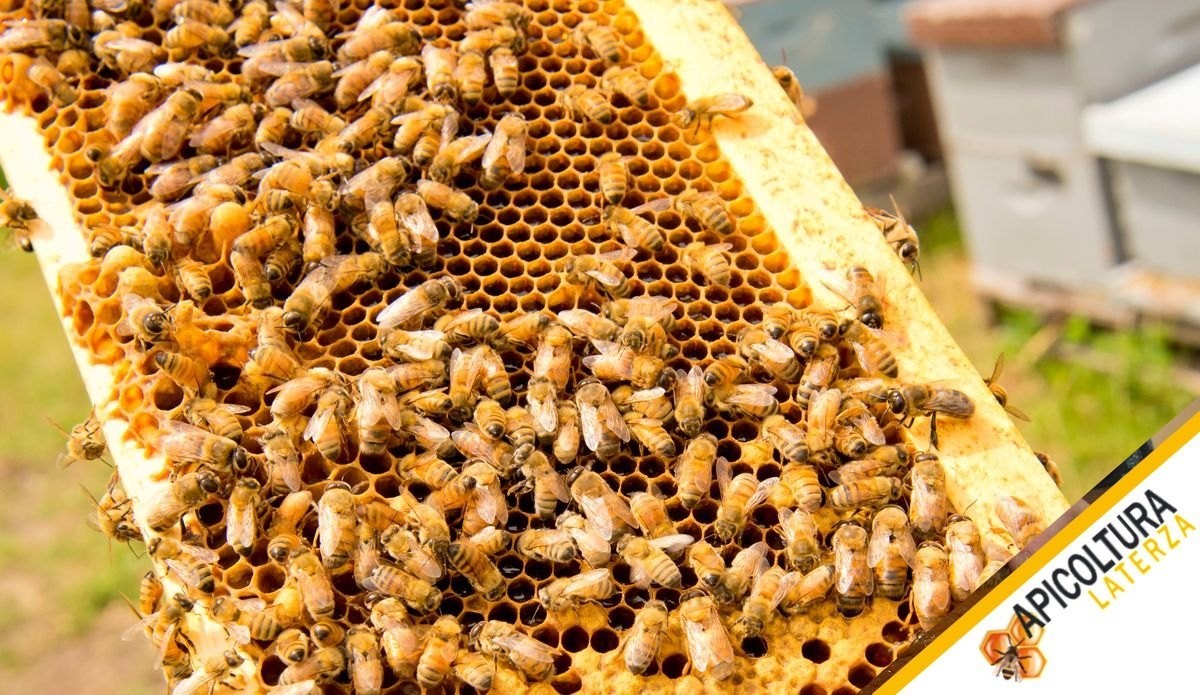
And yet order is there, and it is absolute. A bee colony is not a crowd of insects that happen to live close together: it is a single organism, what biologists call a superorganism. A lone bee will not survive a cold night. Together, those same bees regulate the temperature of the nest better than a thermostat, divide up the work and make collective decisions without any leader to coordinate them.
Understanding how the roles are shared out inside this family is not just a curiosity. It is the first step to reading a hive when you open it, and to noticing in time when something is wrong.
The queen: a mother, not a commander
Despite what the name suggests, the queen commands nothing.
She has a single job, but a decisive one: laying eggs. At the height of the season she lays up to fifteen hundred a day, a weight in eggs greater than her own body. She is the only fertile female in the family, and the constant renewal of every bee depends on her. A colony without a queen is a colony on borrowed time.
The queen holds the colony together in an invisible way: through pheromones. These are chemical signals passed from bee to bee that tell the whole family the mother is present and healthy. When that message weakens, because the queen is old or ailing, the workers notice within hours and start raising a new one. The quality of the queen, her age and her genetics are therefore the real engine of the family: her prolificacy, temperament and disease resistance are passed on to every bee that follows.
The workers: the family does everything else
They are the overwhelming majority, tens of thousands in summer, and they are all sterile females. They build, defend, clean, feed and forage. In practice, they are the colony.
What is fascinating is that a worker changes trade as she ages. She does not do the same job all her life: she moves on as her body matures.
- In her first days she is a cleaner and a nurse: she cleans cells and feeds the larvae with royal jelly produced by her own glands.
- In the middle phase she becomes a wax maker and store keeper: she produces wax, builds the combs, takes nectar from the foragers and turns it into honey.
- In her final days she guards the entrance and then becomes a forager, the one who flies out for nectar, pollen, water and propolis.
A summer worker lives about five or six weeks, worn out by the work. The workers born in late summer are different: they are the winter bees, long lived, that do not exhaust themselves foraging and carry the family through to spring. The same species, two completely different lives depending on when a bee is born.
The drones: few, seasonal, essential
The males of the family are the drones. You spot them at once: bigger, stockier, with huge eyes and no sting.
They do not forage, build or defend. Their one task is to mate with virgin queens during the nuptial flight, and it is for that flight that their eyes are so large. The colony rears them in spring and summer, when reproduction must be secured, and keeps them as long as there is plenty.
Then, in autumn, comes a moment that always surprises anyone seeing it for the first time: the workers stop feeding the drones and push them out of the hive. Extra mouths that are useless in winter. It is a cold, rational choice, typical of an organism that thinks as a whole rather than as many separate individuals.
Why knowing the roles helps the beekeeper
Learning to read this organisation changes the way you stand in front of a hive.
Seeing compact, even brood means the queen is laying well. Finding queen cells built when you did not expect them is a sign of swarming or of a failing queen. Noticing too many drones out of season, or patchy brood, tells you something too. Each caste, by its presence or absence, is an indicator of the colony's health.
And there is a thread that ties it all together: the value of a family always starts with the queen. A young, fertile queen with good genetics builds numerous, healthy workers; an exhausted queen drags the whole colony down.
From theory to the apiary
This is why anyone who wants strong colonies pays such close attention to the queen.
At Apicoltura Laterza we breed and select queen bees of the Buckfast, Ligustica and Carnica strains, chosen for prolificacy, gentleness and resistance. If you are weighing up which queen best suits your apiary, you can start from our guide to choosing a queen, or get in touch: we will help you choose based on your climate and your goals.
In Same Category
- Urban Beekeeping: Rules, Siting and Good Neighbours for Keeping Bees in the City
- Wildflower, Monofloral or Honeydew: How to Tell Honeys Apart and Choose the Right One
- Swarming: Recognising the Signs and Managing It in Spring
- Planning Your Apiary for 2027: How Many Colonies and Which Bees
- Newly Born Queen Bee: Birth and Life Cycle