Nucleus on 3 or 5 Frames: Which to Choose to Get Started
Three or five frames? The choice of your first nucleus sets the pace of the whole season. Here are the real differences, the costs and how to decide based on your experience, the season and your goals.
Anyone buying their first nucleus colony ends up at the same crossroads: start with three frames or five? It looks like a small detail, two frames more or less. In truth it sets the pace of the whole first season.
It pays to understand the difference before you order, because the right choice depends on you: how much experience you have, when the bees arrive, and what you want to achieve by autumn.
What is really inside a nucleus
A nucleus is not a box of loose bees. It is a small, already working colony in miniature.
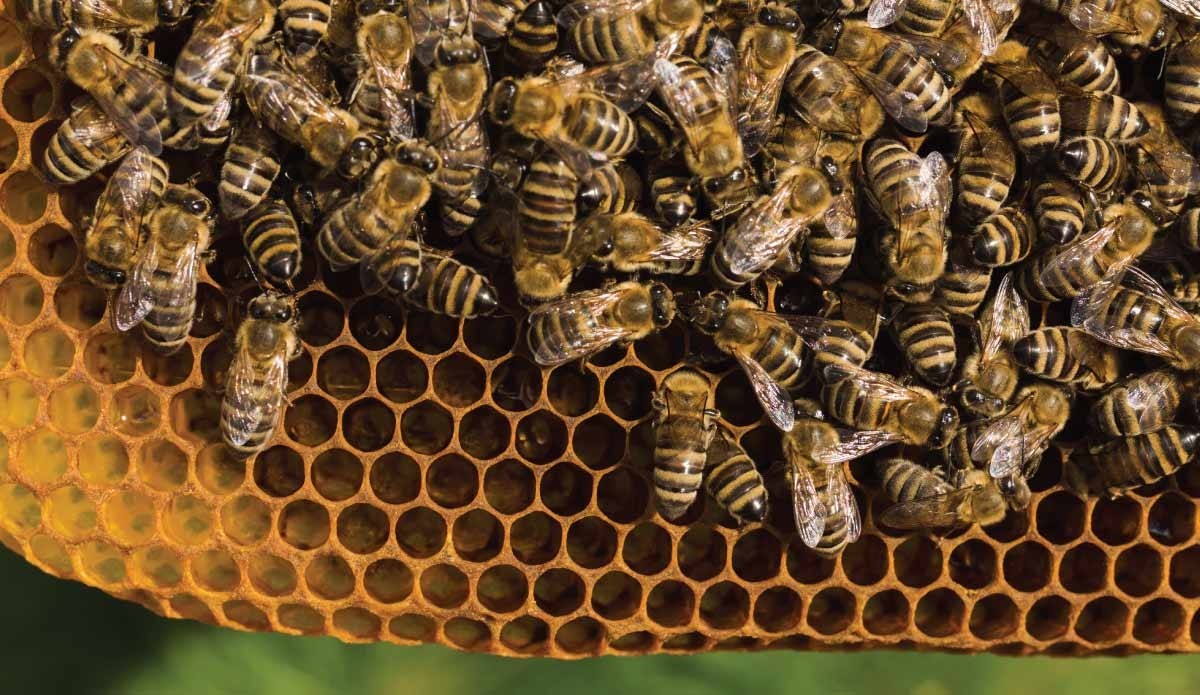
Inside you find a mated, laying queen, a few frames of brood in every stage (eggs, larvae and sealed brood), frames of stores with honey and pollen, and worker bees of all ages keeping it all going: nurses, wax builders, foragers. It is a complete organism, just smaller than a full colony.
So the difference between a three and a five frame nuc is not about quality. It is about the starting mass: how many bees, how much brood and how many stores you hold on day one.
The 3 frame nucleus: light and hands-on
The nucleus on 3 frames is the smallest starting point. Usually two frames of brood and one of stores, with its own population of bees.
It is the choice for those who want to watch the colony grow under their own eyes. You start small and follow every step: the expansion of the nest, the building of new comb, the moment the queen widens the brood. For someone learning, it is a hard training ground to beat.
It costs less, weighs less, travels more easily. In return it asks for patience: filling a full hive and reaching production takes a whole season, sometimes a little more if the year is poor in blooms.
It is the nuc I would recommend to a beginner, or to anyone who wants to multiply colonies without rushing.
The 5 frame nucleus: ready to run
The nucleus on 5 frames is another matter. More brood, more bees, more stores: an already sturdy colony, very close to the point where it can give you honey.
With five frames the jump to a full hive is short. The colony quickly occupies the space you give it, handles a major bloom better and, if the season starts well, comes into production sooner.
It costs more and needs a bit of an eye: a strong family may think about swarming if you keep it cramped. But if your goal is to reach the harvest this very year, the five frame nuc saves you precious weeks.
The differences that really matter
To sum up, three things separate the two formats.
Speed: the five frame is further ahead and reaches full production sooner, the three frame needs an extra season to get there. Management: the three is simpler and forgives a beginner's mistakes more, the five must be followed because it grows fast. Cost: the three is the cheaper entry, the five an investment that pays back sooner, if you know how to use it.
There is no best format in absolute terms. There is the right one for your situation.
How to choose: three questions to ask yourself
Before deciding, answer three questions honestly.
How much experience do you have? If it is your first or second season, the three frame gives you time to make mistakes and learn without managing a large family right away. If you are already handy, the five does not scare you.
When do the bees arrive? In early spring the whole season lies ahead and even a three frame has time to develop. If you start later, the five frame makes up for the missing time.
What do you want to achieve? If you aim to multiply colonies and build the apiary calmly, the three is perfect. If you want honey already this year, start with the five.
When the nucleus arrives: the first days
Whatever format you choose, the welcome makes the difference.
Transfer the frames into the final hive keeping the order you find them in, without upsetting the nest, and leave the bees quiet for a couple of days before a thorough inspection. If blooms are scarce, a little supportive feeding helps the colony widen the brood instead of stalling.
From there the work is the same for both: give space when needed, not too much all at once, and follow the growth without forcing it.
So: three or five frames?
If you are learning, or if you want to grow the number of colonies calmly and at a contained cost, start with the nucleus on 3 frames. If you already have some experience and want to reach production sooner, the nucleus on 5 frames is the investment that pays off.
Whatever your choice, what counts is the quality of the queen and the health of the family you start from. You can see all the formats in our catalogue of nucs, swarms and bee families, and if you are already thinking about the coming season it is wise to book in good time.
When in doubt, write to us: a couple of words about your apiary and we will tell you how many frames you should start from.
In Same Category
- Beekeeping Site Agreements: Terms and Fees with the Landowner
- The Italian Beekeeping Register: Registration, Apiary Sign and Census
- Migratory Beekeeping: When Moving Hives Really Pays
- Selling Honey: Labelling and Direct Sale Without Mistakes
- Hive Materials Compared: Wood, Polystyrene and Sizes, What Really Changes
Related by Tags
- Beekeeping Site Agreements: Terms and Fees with the Landowner
- The Italian Beekeeping Register: Registration, Apiary Sign and Census
- Migratory Beekeeping: When Moving Hives Really Pays
- Hive Materials Compared: Wood, Polystyrene and Sizes, What Really Changes
- Brood Diseases: Reading the Signs and What the Law Requires