Late Summer Varroa Treatment: Timing and Methods Compared
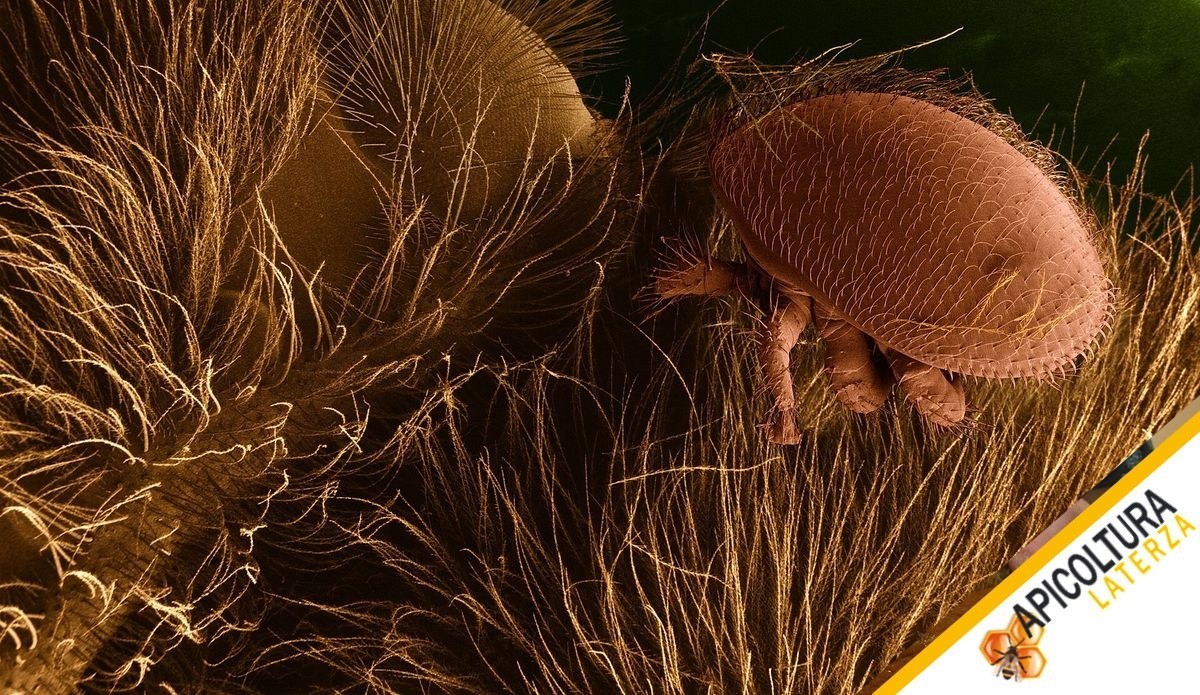
The late summer varroa treatment decides the health of the winter bees and, with them, the survival of the colony. Here are the timing and methods compared.
The treatment that decides how winter goes
There is one moment in the year when a beekeeper wins or loses the colonies, and it is not in January in the cold. It is now, in late summer, as soon as the supers come off.
In August and September the bees raise the generation that has to carry the hive through to spring: the so called winter bees, long lived, with the fat reserves that keep them alive for months. If varroa is still high exactly while this generation is being born, those bees emerge already weakened and loaded with viruses. You see the result in November, when the colony dwindles for no obvious reason.
That is why the late summer varroa treatment is not one option among many. It is the single most important piece of maintenance in the season.
Before you treat: measure
Treating blind is the most common mistake. Before you choose a method or judge how urgent it is, it helps to know how much varroa is really in the colony.
Simple, repeatable methods are enough:
- Natural mite drop count: a diagnostic tray under the mesh floor for a few days gives you an average of mites dropped per day.
- Icing sugar roll or an alcohol wash on a sample of about 300 bees from brood frames: this measures the real infestation on the adult bees, not just what falls on its own.
The point is not to get a perfect number, but to know whether you are above or below the danger threshold, and above all to be able to check again afterwards to see whether the treatment worked. A treatment done and never verified is only half the job.
The methods compared
There is no single best product. There is the right one for your temperatures, for whether brood is present or not, and for how your apiary is set up. Use only products registered for beekeeping, following the label and the dosage.
Formic acid
It is the only organic acid that penetrates capped brood and hits varroa where it reproduces. That is a huge advantage in late summer, when brood is still plentiful. The downside is that it depends heavily on temperature: too hot and it turns aggressive towards the bees and the queen, too cold and it does not evaporate enough.
Thymol
Based on thyme essential oil, it works by evaporation and suits the mild weather after the harvest well. It needs several weeks and stable temperatures, but it is well tolerated and is a common choice for a baseline summer treatment.
Oxalic acid
Its best moment is when the colony is broodless, because it only acts on the varroa sitting on adult bees. Hence the brood interruption technique: you cage the queen for a few days, wait for the last brood to emerge, then treat with the target exposed, with very high efficacy. It asks for more handling, but it pays off.
Two rules apply to every method. First: you treat only with the supers removed, never with honey meant for consumption still on the hive. Second: you treat the whole apiary together. Leaving even one infested colony means reinfesting the others within a few weeks, as bees drift into the wrong hives and robbing spreads the mites around.
A matter of timing
Even the perfect product arrives too late if you use it well into October. The aim is to bring varroa down before the winter bees are born, so between late August and September depending on your area and the year. Waiting until you see the first signs of collapse almost always means you have already lost that generation of bees.
In years when varroa has exploded, or when you reach autumn with weak colonies, you sometimes have to accept a loss and plan to replace it in spring with fresh, healthy stock.
Reaching spring with strong colonies
A good late summer treatment is the investment that pays back in March, when colonies build up in numbers instead of restarting from a handful of bees. And when you genuinely need to rebuild, starting from healthy stock makes all the difference.
At Apicoltura Laterza we raise and select bee nucs on 3 frames and nucs on 5 frames with Buckfast, Ligustica and Carniolan queens, health checked and ready to grow. If this season has left you with gaps to fill, take a look at our nucleus colonies or get in touch: we will help you plan your restocking for spring.
In Same Category
- Beekeeping Equipment for a Growing Apiary: What You Really Need and in What Order
- Honey Harvest: When to Remove the Supers and How to Get Properly Ripe Honey
- Weak Colonies in Late Summer: Assess, Strengthen or Unite Them Before Winter
- Wasps and Hornets at the Hive: Protecting Bees in Late Summer
- Starting the Season: Spring Checks at the Hive
Related by Tags
- Beekeeping Equipment for a Growing Apiary: What You Really Need and in What Order
- Weak Colonies in Late Summer: Assess, Strengthen or Unite Them Before Winter
- Wasps and Hornets at the Hive: Protecting Bees in Late Summer
- Starting the Season: Spring Checks at the Hive
- Collecting and Transporting Nuclei and Packages of Bees: What to Know