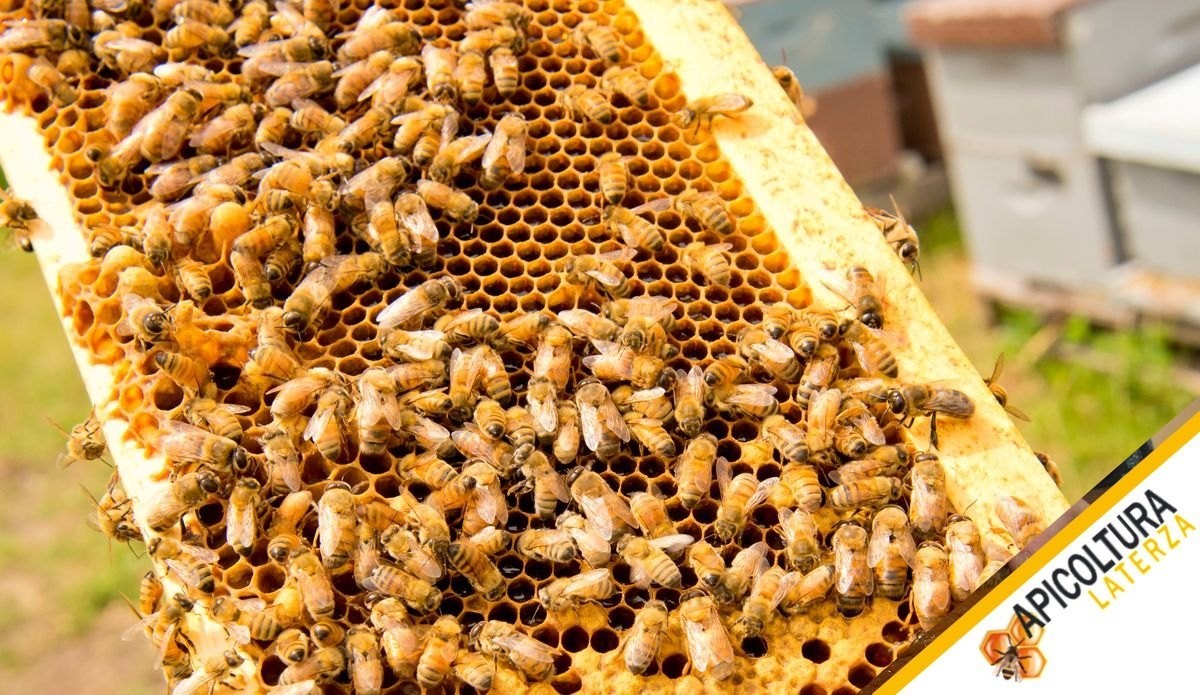
How Much Honey Does a Bee Produce?
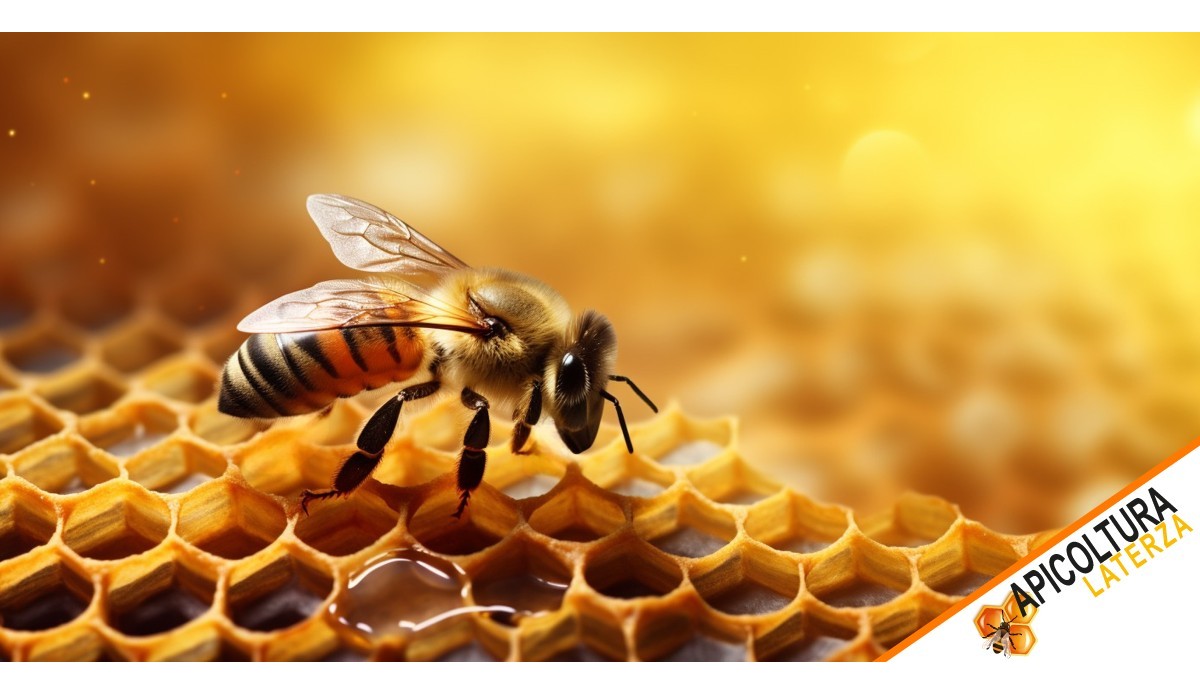
When talking about honey, one of the most frequently asked questions we receive at Apicoltura Laterza is: how much honey does a bee produce? It is a more than legitimate curiosity, because behind every jar of honey there is an incredible amount of work, made up of precision, organization, and effort.
When talking about honey, one of the most frequently asked questions we receive at Apicoltura Laterza is: how much honey does a bee produce? It is a more than legitimate curiosity, because behind every jar of honey there is an incredible amount of work, made up of precision, organization, and effort.
In this article, we want to guide you step by step to discover how much honey a bee produces in its lifetime, how much honey a beehive produces, and how these numbers are connected to the world of beekeeping and how to get started—an essential topic for anyone approaching this fascinating field for the first time.
How Much Honey Does a Bee Produce in Its Lifetime
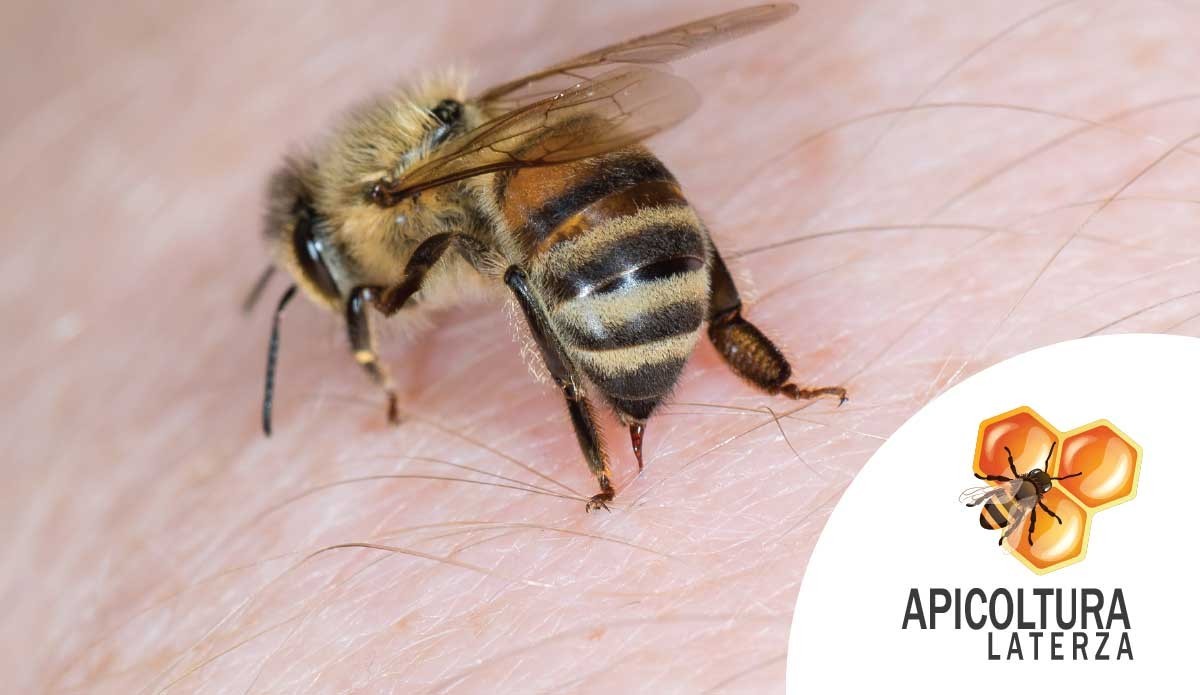
Let’s start with a fact that surprises almost everyone: the amount of honey a single bee produces in its lifetime is extremely small. A worker bee, throughout its entire existence, produces on average about one twelfth of a teaspoon of honey. In numerical terms, this equals just a few grams—far from the idea of kilograms of honey produced by a single insect.
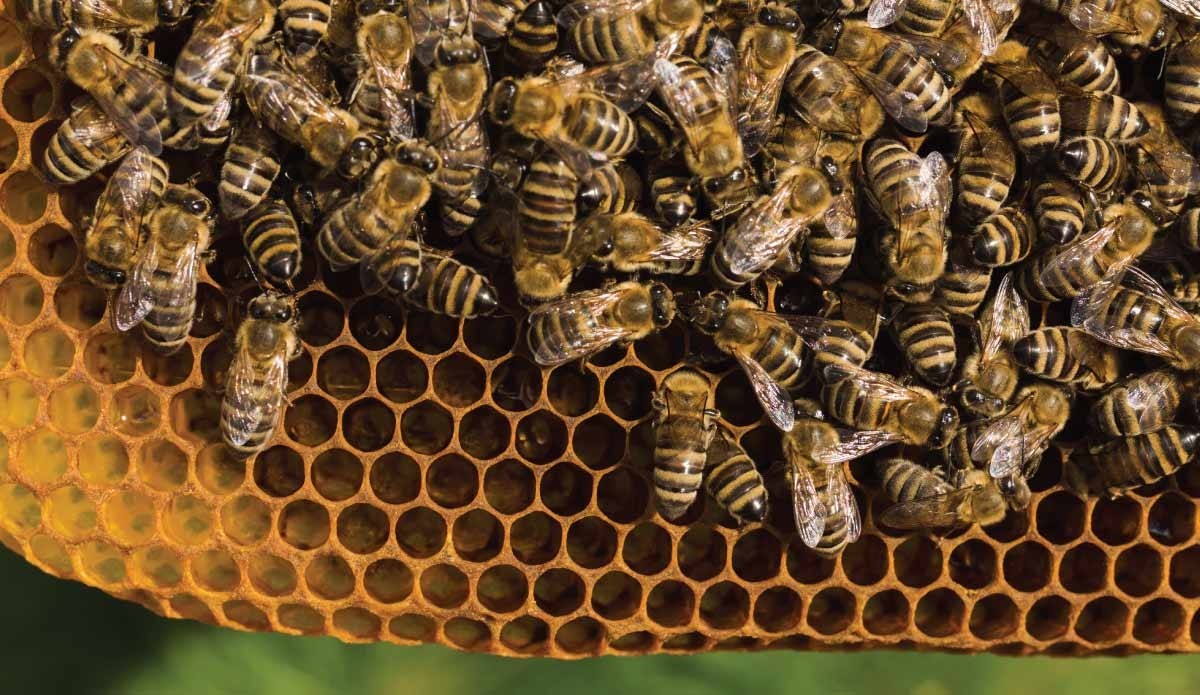
However, this does not mean its work is insignificant. On the contrary, each bee is essential because honey is created through the collaboration of thousands of individuals. To produce even just one kilogram of honey, bees must be well organized, healthy, and active, working together as a true team.
Visiting Millions of Flowers: The Work of Bees
To truly understand how much honey a bee produces, it’s important to know that bees visit millions of flowers to collect the necessary nectar. It is estimated that producing a single kilogram of honey requires visits to several million flowers—an astonishing number when we consider the size of these insects.
During collection, the bee transforms the nectar using specific enzymes, starting the process that leads to real honey. This is where the concept of honey and how it is produced comes into play: it is not an immediate action, but a complex transformation that takes place inside the hive.
How Much Honey Does a Beehive Produce?
If a single bee produces so little, the real question becomes: how much honey does a beehive produce? Here, the numbers change dramatically. A well-managed beehive can produce between 20 and 40 kilograms of honey per year, and under ideal conditions, even more.
The quantity varies depending on several factors: climate, availability of flowering plants, colony strength, and the beekeeper’s experience. For example, in southeastern Italy, where climatic conditions are often favorable and floral resources abundant, honey production can be particularly impressive.
The Role of Royal Jelly and Hive Organization
One often underestimated element is royal jelly. This substance, produced by nurse bees, is essential for feeding the queen and maintaining the health of the entire colony. A strong, well-nourished queen ensures a large population of worker bees, which in turn contributes to honey production.
Without proper internal organization, honey yields decrease and the hive may struggle. For this reason, at Apicoltura Laterza, we pay great attention to bee welfare and proper hive management.
Beekeeping: How to Get Started and Honey Production
If you are wondering how to enter this world, the topic of beekeeping: how to get started is closely linked to understanding these numbers. Knowing how much honey a bee produces and how much honey a hive produces helps set realistic expectations.
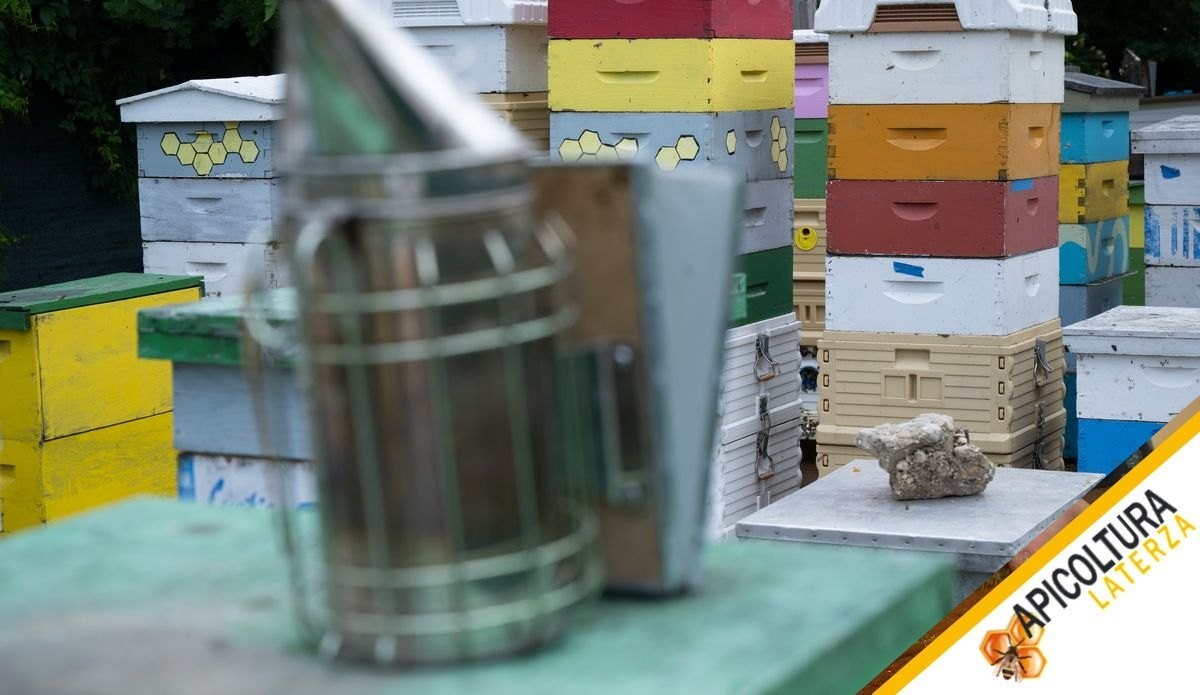
Beginners should know that beekeeping is not just about harvesting honey, but about caring for bees throughout the entire year and respecting their natural rhythms. Bees must be placed in the best possible conditions to work: a healthy environment, adequate floral resources, and correct interventions by the beekeeper.
From Flower to Jar: A Shared Effort
Every time we taste honey, we often forget that behind it lies the work of thousands of bees and human expertise. Each bee, in its own small way, contributes to the final result, even though the amount of honey a bee produces in its lifetime is minimal.
But when all their efforts are combined, a hive becomes a true natural factory capable of giving us dozens of kilograms of honey each season. It is a perfect balance between nature and human intervention, and this is precisely what makes beekeeping so fascinating.
The Experience of Apicoltura Laterza
At Apicoltura Laterza, we live this balance every day. We know the numbers well, but above all, we know the bees. We understand that their work cannot be forced and that respecting their timing is the key to producing high-quality honey.
Understanding how much honey a bee produces, how much honey a beehive produces, and how beekeeping works is not just about calculations—it’s about appreciating even more a natural food that is the result of millions of flights, countless flowers visited, and an extraordinary social organization.
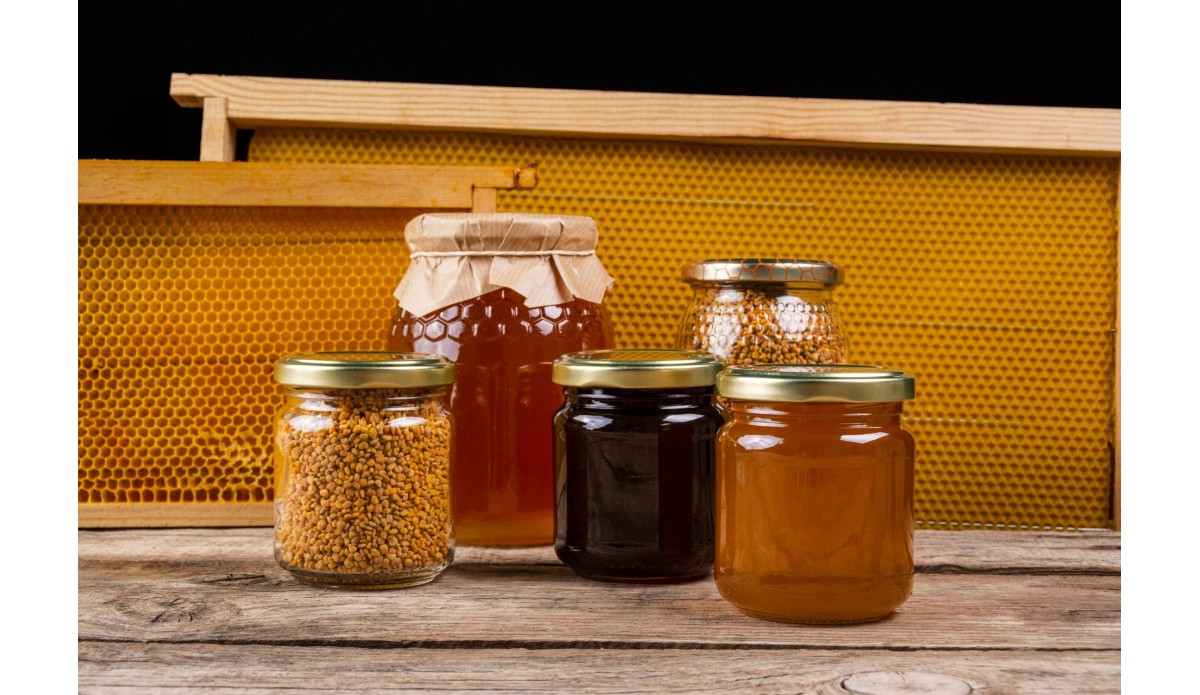
That is why, every time we open a jar of honey, we know we are holding much more than a simple product: we are holding the result of incredible work, carried out with patience, precision, and respect for nature. ????????
In Same Category
- Beekeeping Equipment for a Growing Apiary: What You Really Need and in What Order
- Honey Harvest: When to Remove the Supers and How to Get Properly Ripe Honey
- Weak Colonies in Late Summer: Assess, Strengthen or Unite Them Before Winter
- Wasps and Hornets at the Hive: Protecting Bees in Late Summer
- Starting the Season: Spring Checks at the Hive