Starting the Season: Spring Checks at the Hive
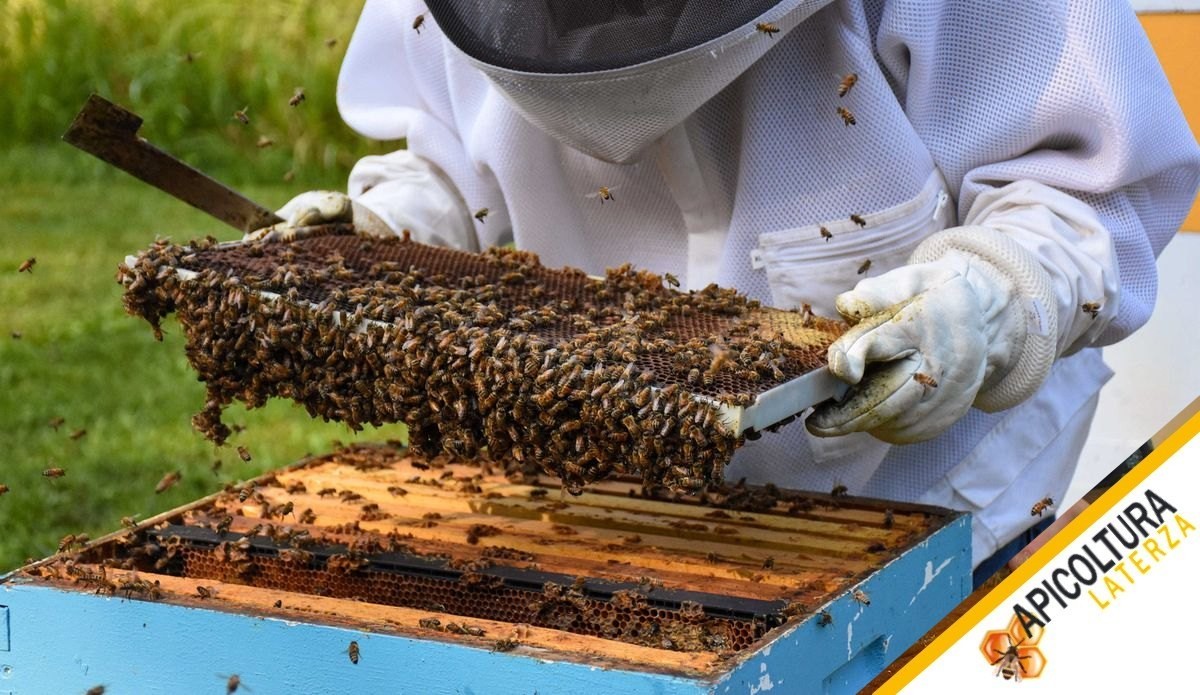
The first mild days mark the hive's restart. The first spring visit is the check that tells you how the colonies came through winter and what they need to get going the right way: when to open, what to really look for and the mistakes to avoid.
After months in which the hive stayed closed and silent, the moment every beekeeper waits for finally arrives: the first mild days, the buzzing that picks up again at the entrance, the bees coming back loaded with pollen. It is the sign that the season has started over. Yet right now, when the urge to open and check is strongest, you need a cool head and patience.
The first spring visit is no formality. It is the check that tells you how your colonies came through the winter and what you need to do to get them going the right way. Done well, and at the right time, it is worth half a season.
Why the first visit matters so much
In winter the colony lives on its stores and on delicate balances. As things restart the queen begins to lay again, the population renews itself and consumption climbs quickly. It is a phase of fast growth, but also a fragile one: a colony left queenless, short of food or weakened by a health problem collapses within a few weeks in spring.
That is exactly what the recovery visit is for: to understand the state of each hive and step in while there is still time. Waiting too long, or failing to look at the right things, means noticing the trouble when little can be done about it.
When to open the hive: the right window
The first mistake, and the most common one, is rushing. Opening the hive on the first sunny day of February, with the air still cold, does more harm than good: it chills the brood and breaks the warmth the colony is struggling to build.
The rule of thumb is simple. For a full inspection wait for a clear, windless day of at least twelve to fourteen degrees, when you see the bees entering and leaving steadily. The middle hours, when most foragers are out flying, are the best: inside the hive you find fewer bees and can work more calmly.
If it is still too cold to open, do not force it. Much can be read while staying outside.
Reading the colony before you even open
An attentive beekeeper understands half of what is going on without lifting the crown board. It is enough to stop for a few minutes in front of the entrance.
A lively entrance, with bees coming in carrying coloured balls of pollen on their legs, is the best sign there is: incoming pollen almost always means there is brood to feed inside, and therefore a laying queen. A silent entrance, with a few listless bees, is a warning bell instead.
Look at the landing board and the wall in front of the hive too. A few faecal spots after the first cleansing flights are normal; a heavily soiled front may point to a struggling colony. And if you find many dead bees in front of one hive while its neighbours are flying, that one deserves a priority check.
The first inspection: find the queen, or her signature
When you finally open, the most important question is a single one: does the colony have a queen laying well?
You do not necessarily need to see the queen in person. In fact, insisting on finding her means rummaging too much and keeping the hive open longer. What counts is her signature: the brood. A good frame with fresh eggs in the centre, larvae of every age and compact sealed brood tells you the queen is there and in order, even if you do not spot her.
The signals that should put you on alert are patchy brood, scattered drone brood only, or the total absence of eggs. They can indicate an old, poorly mated or missing queen. In that case the colony must be watched closely over the following weeks and, if the problem is confirmed, helped with a new queen.
Checking the stores: the hidden spring risk
There is a paradox that surprises beginners: starvation strikes more often in spring than in the depths of winter. The reason is that when brood rearing restarts consumption explodes, while outside there is not yet enough bloom to make up for it. The accumulated stores run out fast and, if the weather turns for a few days, the colony risks running dry at the very moment of peak growth.
That is why, at the first visit, you should always assess how much honey and pollen are left on the outer frames. If the reserves are scarce, targeted help gets them back on track: on how and what to feed you will find practical guidance in the colony products and advice we provide, keeping in mind that in early spring the aim is to stimulate brood, not to build reserves.
Colony strength and space
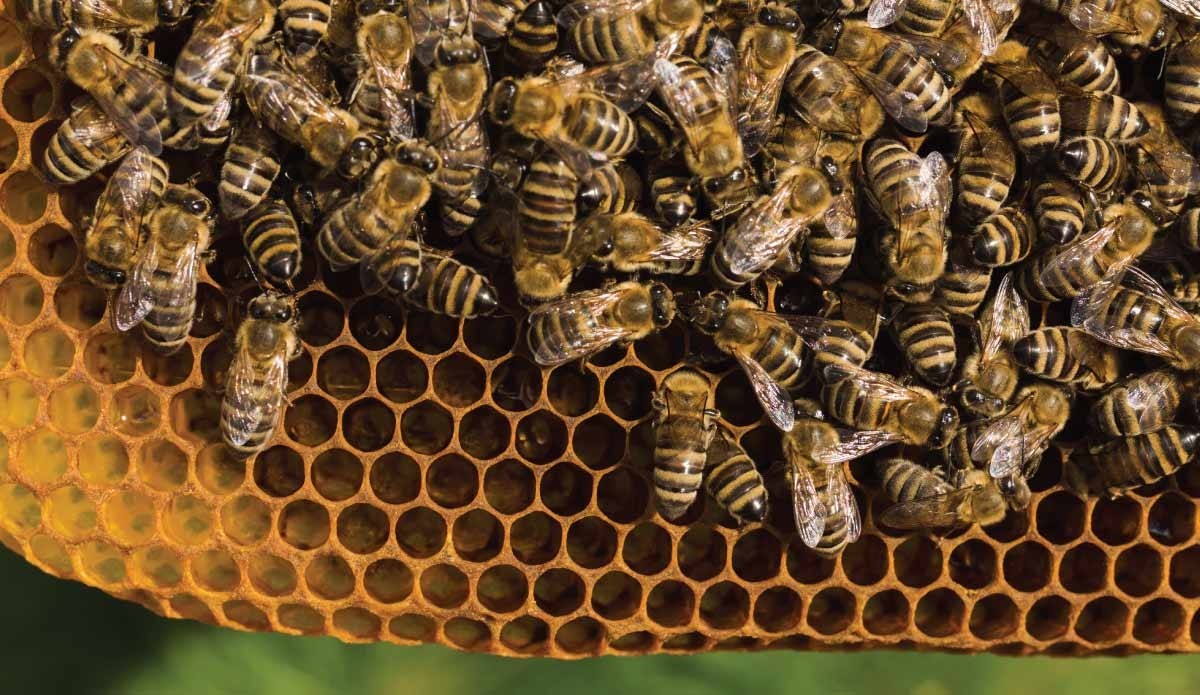
Beyond the queen and the stores, look at the population. How many frames are covered with bees? A strong colony, already occupying much of the nest, will need space very soon. A weak one, reduced to a few frames, should instead be kept tight and warm to help it recover.
Matching the space to the population is one of the most useful spring moves. A colony that is too cramped feels stifled and prepares to swarm; one that is too roomy loses heat and struggles to warm the brood. The right balance lets it grow calmly.
Health, cleaning and light maintenance
The restart is also the time for a clean-up. If the hive has a removable floor, clear out the winter build-up of wax, dead bees and debris: a clean floor reduces damp and the risk of mould. Take advantage of the visit to replace an old, blackened frame with a new sheet of foundation at the edge of the nest, giving the colony room to build.
It is also the moment to think about varroa. After winter it pays to get an idea of the infestation level, because an excessive load already in spring compromises development. Early monitoring lets you plan your strategy in good time, without arriving unprepared at the end of summer.
Keep an eye on the coming swarming
Colonies that are already strong in March are a fine satisfaction, but they need watching: they are the first candidates to swarm as soon as the season gets into full swing. During the spring checks start observing the first signals on the edges of the frames, so you are not caught off guard. We cover it in detail in our seasonal guidance on managing spring swarming.
The most common recovery mistakes
Three errors repeat every spring. The first is opening too early and in the cold, chilling the brood. The second is the endless visit: keeping the hive open for ages, dismantling everything to find the queen at all costs, stressing the colony. The third is taking the stores for granted, convinced the worst is over after winter, and ending up with a starving colony.
The right visit is the opposite: quick, orderly, with a clear idea of what to look for. Two short, focused checks are better than a single long, invasive inspection.
In summary
The first spring visit comes down to a few questions: is there a well-laying queen, are there enough stores, is the colony healthy and does it have the right space. Make these checks on a mild day, without rushing and without keeping the hive open longer than necessary, and you will hold the real picture of your apiary.
Everything else in the season starts from there. If a colony did not come through the winter well, or if you are thinking of expanding the apiary, spring is also the right time to replace or add new strong colonies ready to produce.
Want to start with strong colonies this spring?
We prepare nuclei and colonies of bees with a queen already laying, ready to grow from the very first blooms. If a colony did not make it through winter or you want to expand the apiary, tell us what you need: we help you choose and start the right way.
In Same Category
Related by Tags
- Organic Beekeeping: What Actually Changes in Apiary Management
- Beekeeping Site Agreements: Terms and Fees with the Landowner
- The Italian Beekeeping Register: Registration, Apiary Sign and Census
- Migratory Beekeeping: When Moving Hives Really Pays
- Hive Materials Compared: Wood, Polystyrene and Sizes, What Really Changes