Wintering Bees: How to Prepare the Hive for the Cold Season
Wintering is won between late summer and autumn: varroa under control, healthy winter bees, enough stores and a dry hive. Here is how to prepare the colony for the cold.
Winter is prepared now, not in December
There is a misconception that follows many new beekeepers: thinking that wintering is a winter job.
It is not. By the time the first cold arrives, most of the work should already be done. Whether a colony survives from November to February is decided now, between late summer and autumn, through the choices we make while the days are still mild. A colony that enters winter weak, sick or short of stores rarely makes it to spring: the cold does not forgive mistakes made months earlier.
Preparing the hive for the cold season means working on four fronts at once: the health of the colony, the right bees, the stores, and the home they will spend the winter in. Let us look at them one by one.
It all starts with varroa under control
There is no way around it: wintering begins with the late-summer varroa treatment.
The reason is simple. The bees being born now are not ordinary workers: they are the winter bees, the ones that will keep the colony alive for months. If they hatch from brood infested with varroa, they are born already weakened, with a shortened lifespan and often carrying viruses. A colony loaded with varroa in September is a colony that may fade out in January, even if it looked perfect in autumn.
That is why the timing of the treatment is not negotiable. If you have not dealt with it yet, start there: our article on the late-summer varroa treatment compares timing and methods.
Winter bees: few flights, plenty of stamina
The bee we see foraging in summer lives five or six weeks and wears herself out on the job. The winter bee is a different story.
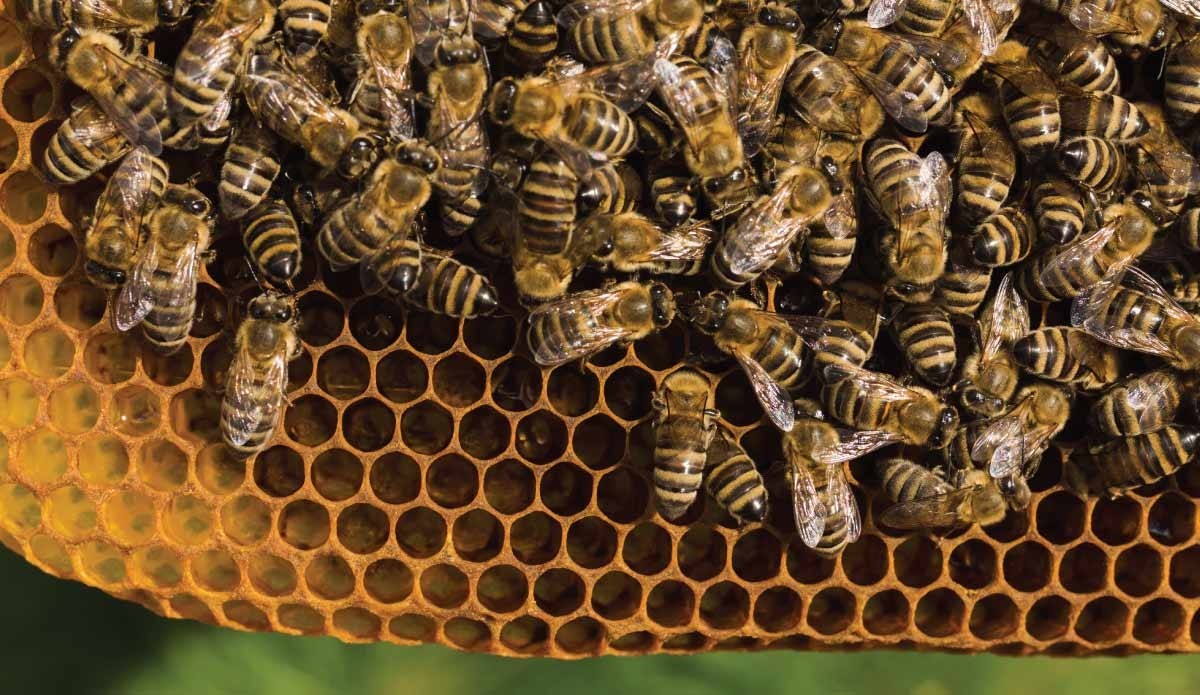
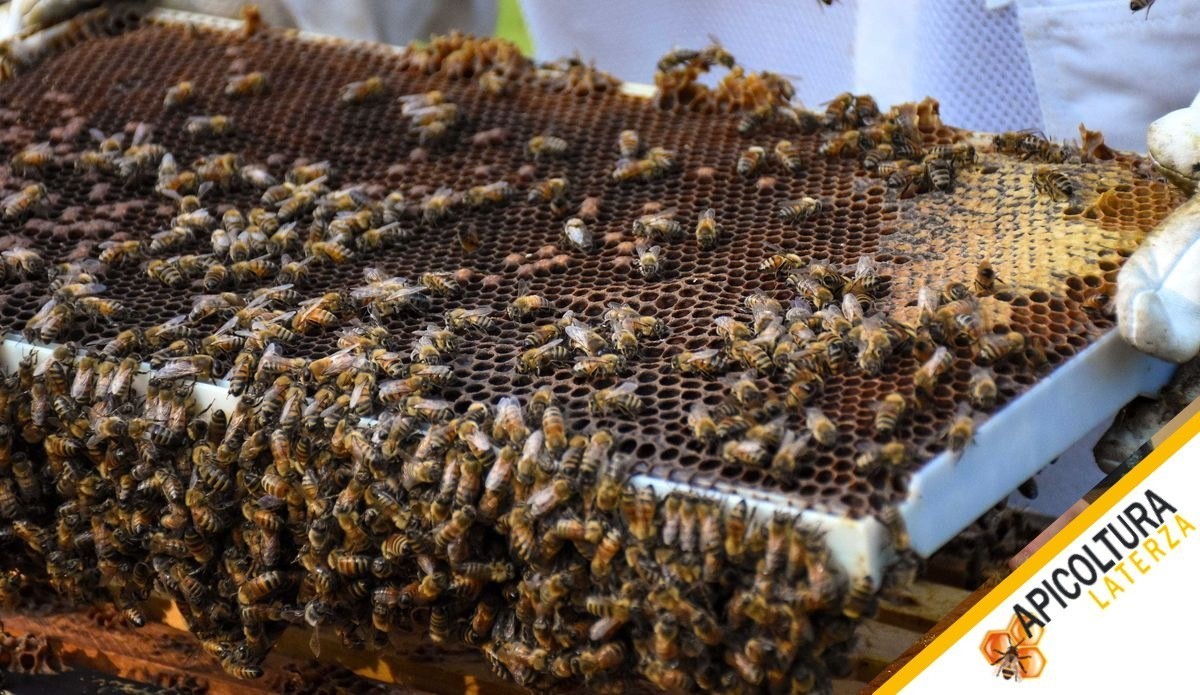
Born at the end of the season, she does not exhaust herself foraging and can live several months. She builds up reserves in her fat body and, above all, she has one precise task: to huddle with her sisters into the cluster, the ball of bees that protects the heart of the nest through winter. By working their flight muscles without flying, the bees in the cluster generate heat and keep the centre at around twenty degrees even when it freezes outside.
This tells us something practical: in November it is not the sheer size of the colony that matters, but how many healthy winter bees it holds. A large colony made of old, worn-out bees is more fragile than an average one well renewed by a young queen.
Stores: how much honey is really needed
The cluster burns honey to produce heat, all winter long. If the stores run out, the colony starves, even a step away from spring.
How much is needed depends heavily on the climate. In northern regions, with long, harsh winters, a colony may require fifteen kilograms of honey or more. Here, in a Mediterranean climate with milder, shorter winters, the requirement is lower, but it must never be underestimated: insufficient stores remain the leading cause of winter losses.
The check is simple: heft the hive or look at the frames. You want capped honey frames beside and above the cluster, where the bees can reach them as they move upward in the cold. If reserves are low, top them up in good time with autumn feeding, while the bees can still store it. Later in the season, once it turns cold, feeding becomes much harder.
A hive ready for the cold: space, damp and intruders
A colony in winter does not need a big home. It needs the right one.
The first rule is to reduce empty space. A nest too large for the number of bees is hard to keep warm and wastes precious energy: shrink the colony down to the frames it can actually cover, removing the surplus combs and using the divider board.
Then comes the most underrated enemy of all: damp. Bees tolerate cold well, damp much less. The heat of the cluster meets the cold hive walls and condenses on them, and water dripping onto the nest is as dangerous as frost, if not more. So the hive needs a little ventilation to let the moisture escape, not an airtight seal. A dry, slightly aired hive beats a warm, wet one.
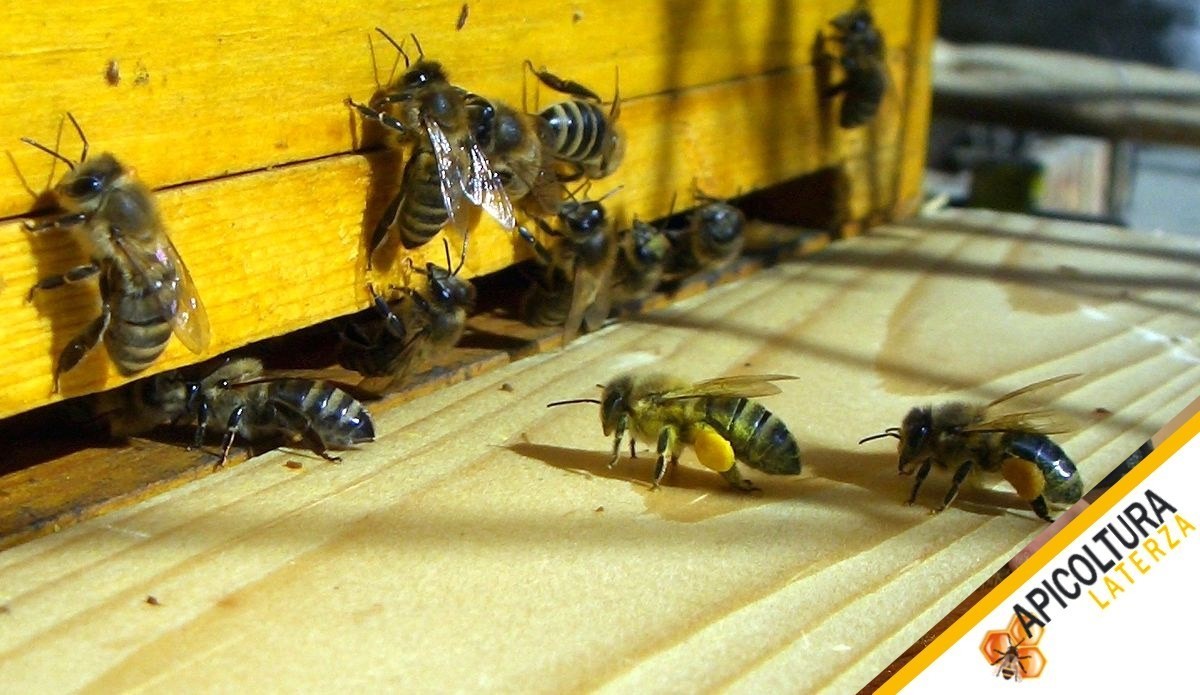
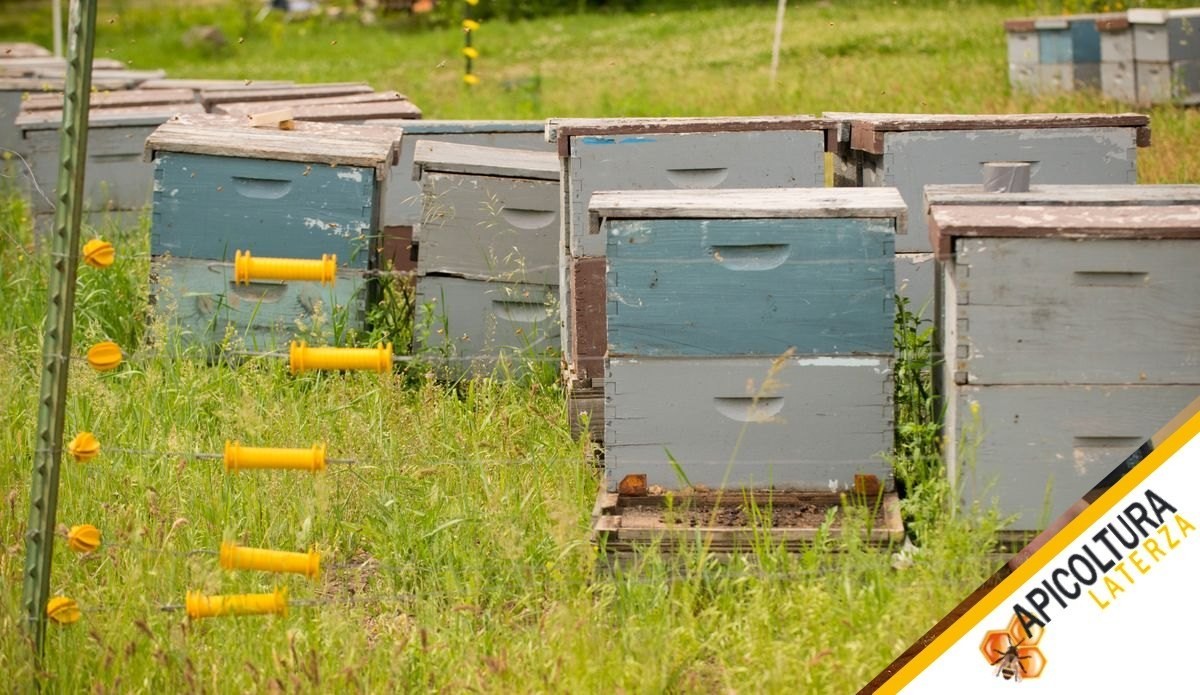
Finally, intruders. As it turns cold, mice look for shelter and food, and a hive is ideal for them: fit a mouse guard to the entrance so the bees come and go while rodents stay out. A reduced entrance also helps the colony defend itself and hold in the heat.
Where to place the apiary for winter
Position matters more than people think.
A good winter spot gets sun during the central hours, so on mild days the bees can leave for a cleansing flight, and it is sheltered from the prevailing winds, which chill the hive and force the colony to burn more stores. Damp valley bottoms and standing water are best avoided. A slight forward tilt of the hive helps any condensation drain outward instead of pooling on the floor.
The mistakes that cost you the colony
Many winter losses come not from the cold, but from the wrong moves made in autumn.
- Opening the hive constantly. Every winter inspection breaks the cluster and lets heat escape. In winter you check from the outside as much as possible and open only if truly necessary.
- Sealing everything up. Over-insulating without letting the hive breathe creates condensation: you trade a cold problem for a damp one.
- Putting off varroa. A late or skipped treatment is paid for in January, when there is no longer any way to fix it.
- Leaving too much space or too few stores. These are the two most common mistakes, and they often go together.
Preparing for winter means already thinking about spring
Even doing everything right, some winter loss is part of normal beekeeping. The difference is made by arriving prepared.
Those who organise in good time are not caught short when the season restarts: they know how many colonies they want and plan to replace the ones that did not make it. If you are already thinking about the new season, at Apicoltura Laterza you can book nucs and bee colonies for spring 2027, or get in touch to plan the restart of your apiary together.
In Same Category
- Brood Diseases: Reading the Signs and What the Law Requires
- Beeswax: How to Recover Cappings and Old Combs and Get Your Foundation Back
- Beekeeping Equipment for a Growing Apiary: What You Really Need and in What Order
- Honey Harvest: When to Remove the Supers and How to Get Properly Ripe Honey
- Weak Colonies in Late Summer: Assess, Strengthen or Unite Them Before Winter