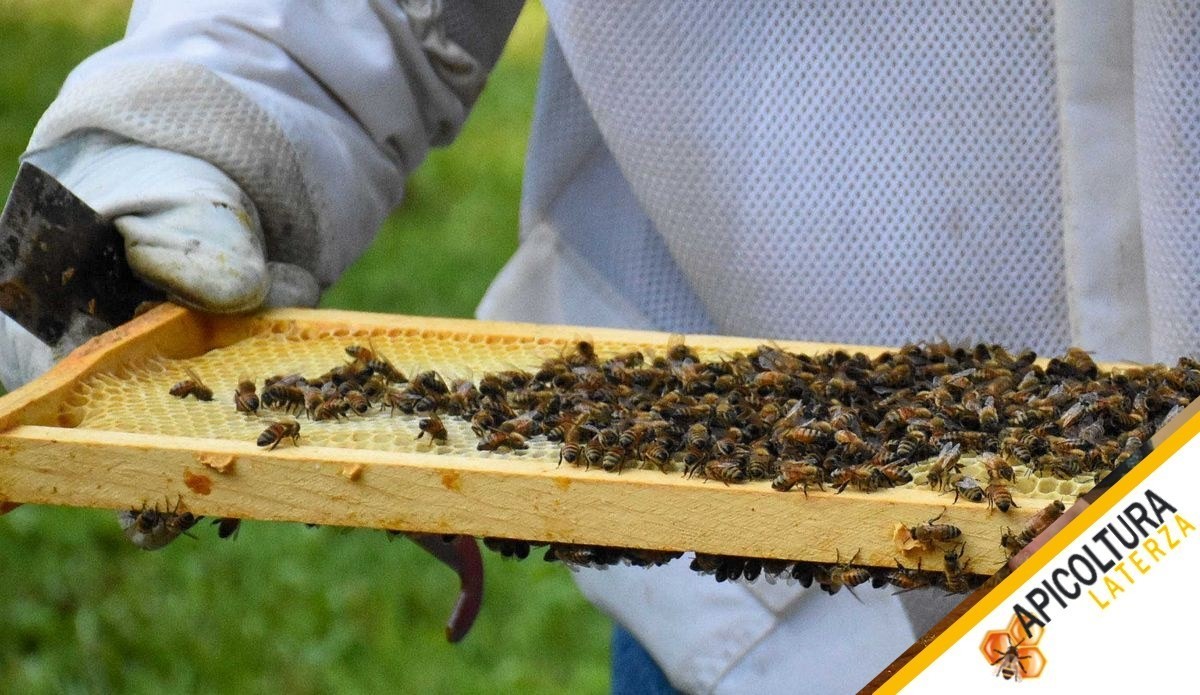
Weak Colonies in Late Summer: Assess, Strengthen or Unite Them Before Winter
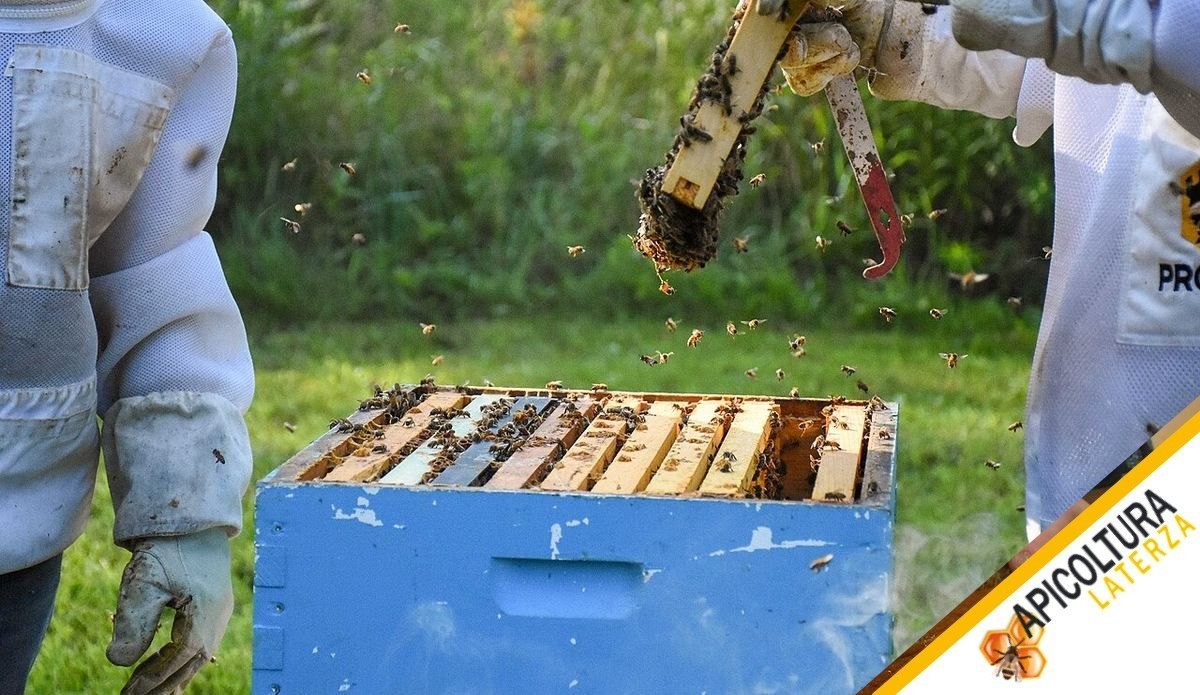
In late summer a weak colony starts at a disadvantage for winter: few winter bees, a fragile cluster, stores burned fast. How to really read it (population, brood, stores), work out whether the trouble is varroa, the queen or just numbers, and decide in time: strengthen, unite two weak ones into a strong colony, replace the queen or, when needed, let go.
You open the hive in late summer and you know at once. Where the other colonies are boiling with bees, this one barely covers three or four frames. The brood is thin and patchy. Even the hum sounds flat.
A weak colony at this time of year is more than a disappointment: it is a bet on winter that is already going the wrong way. But not all weak colonies are the same, and they should not all be treated alike. Working out why a colony has fallen behind, and deciding quickly whether to strengthen it, unite it or let it go, is one of the most useful jobs you can do right now.
Why a weak colony risks so much in late summer
Winter is not survived by the individual bee, it is survived by the cluster. The bees pack together and warm one another: the more of them there are, the more easily they hold the heat at the core while burning little. A populous colony is an efficient stove.
A small colony struggles. It has to burn more stores to warm a thin cluster, it wears out sooner and often does not reach spring. On top of that, the bees that will actually overwinter are being made right now: the long lived winter bees, raised from late summer onward. If the colony is weak today, it gathers few winter bees, and the problem drags on into February.
That is why late summer is the moment of truth. What you decide in these weeks matters more than any intervention made in late October.
What "weak" really means
Weak is a handy word, but a vague one. Before acting it helps to turn it into something concrete, by looking at three things.
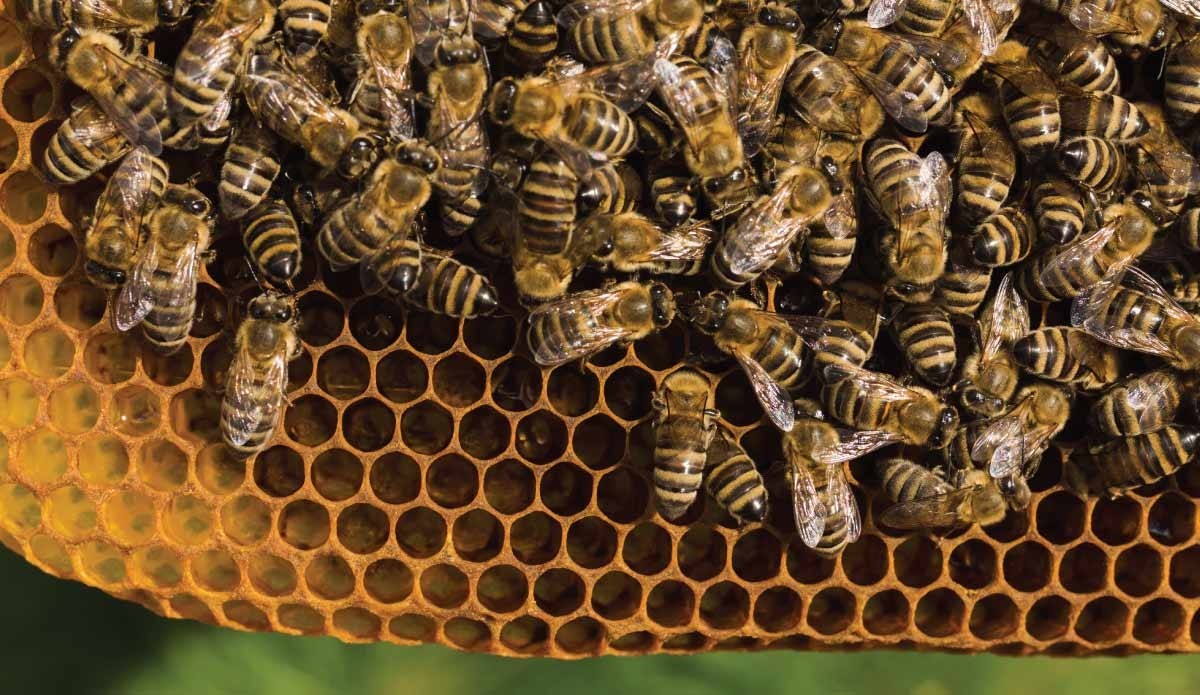
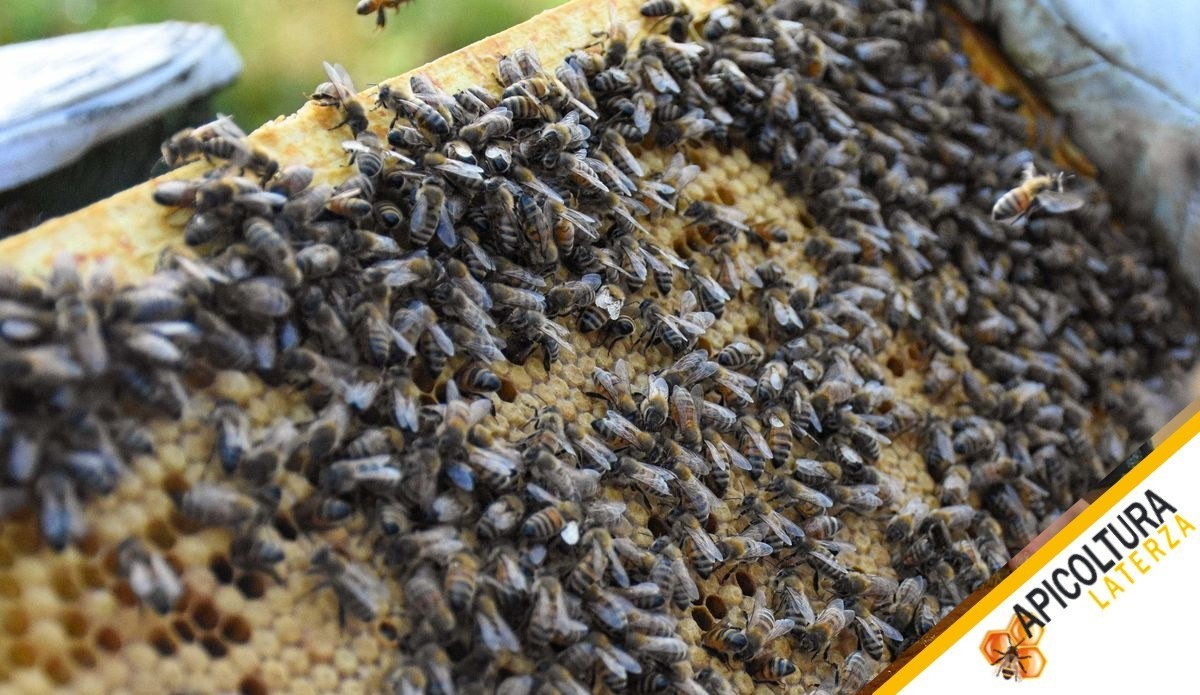
Population: how many frames are actually covered with bees, not how many frames sit in the box. A colony that covers fewer than four or five full frames in late August starts at a disadvantage.
Brood: how much there is and what it looks like. A compact, solid brood pattern points to a queen doing her job; a sparse, spotty pattern, or none at all, is a warning sign.
Stores: how many frames of honey and bee bread flank the nest. A colony that is small but well provisioned holds a card that one which is both small and empty does not.
First question: weak but healthy, or weak and sick?
This is the fork that changes everything. Strengthening a sick colony is pointless, and worse: you risk throwing healthy bees into a bottomless pit, or spreading the trouble around.
The first suspect in late summer is always varroa. A colony that shrinks fast, with irregular brood, bees with deformed wings or an abnormal mite drop on the floor, must be treated first and only strengthened afterwards. If you have not done it yet, the end of season treatment comes before anything else, as we explain in the guide to preparing for winter.
The second suspect is the queen. If you find no fresh eggs, if the brood is only drone brood and scattered, if you see several eggs per cell, the colony may be queenless or have a spent queen. Here the problem is not a shortage of bees, it is the head of the colony.
Only once you have ruled out disease and queen trouble can you say you have in front of you a colony that is simply small, healthy and recoverable. That one you can strengthen or unite to good effect.
Strengthening: giving a healthy but small colony room to grow
If the colony is healthy and the queen is laying, the problem is only one of numbers. And numbers can be fixed.
The cleanest way is to give it a frame of sealed brood, taken from a strong colony, with its emerging bees but without that colony's queen. Within a few days those bees hatch and the population jumps. It is a transfer of strength from those who have too much to those who have too little.
Space matters too. A handful of bees spread over ten frames scatters and struggles to stay warm; the same bees kept tight on five frames, with a divider closing off the rest of the box, form a compact, defensible nest. Shrinking the nest costs nothing and changes a great deal.
Finally, food. Supportive feeding keeps the queen going and pushes the colony to grow while the season still allows it. For amounts and timing, see the guide to autumn feeding.
Uniting colonies: when two weak ones make one strong
Sometimes strengthening is not enough. Two half empty colonies, each left to itself, risk dying together. United, they can become a single colony fit to overwinter.
The golden rule is one: keep the better queen and remove the other. You never unite two colonies leaving both queens, and you never unite a queenless colony to a queenright one without first checking that the queenless one has no hidden queen cells.
The safest method is the newspaper one. Remove the surplus queen, lay a sheet of newspaper with a few small slits over the nest of the colony that keeps its queen, and set the other colony's box on top. The bees take a day or two to chew through the paper: meanwhile their scents mingle, and when they finally meet they do not fight. Once united, tighten the nest and take out the surplus frames.
Do it on cool days, toward evening, without dripping syrup, so as not to trigger robbing. Done well, it turns two half defeats into one win.
Replacing the queen when the head is the problem
If the weakness comes from an old or failing queen, adding bees does little: without good laying the colony will soon slide back to where it started. In that case the right move is to change the queen.
Replacing the head in late summer has an advantage: a young, fertile queen lays with more conviction, raises more winter bees and starts strong in spring. The introduction, though, must be done with method, because a struggling colony is also more suspicious. How to go about it step by step is in the guide on introducing a new queen without mistakes.
When it is better to let go
Not everything can be saved, and it is right to know that. A colony reduced to a fistful of bees, queenless and broodless, with signs of disease, is often not worth the time and healthy bees it would take to bring it back.
In those cases the sensible choice is to salvage what is still good, the sound frames of stores to hand to other colonies, and close the matter. Fighting on means taking resources away from the colonies that can actually make it. A clear headed beekeeper also knows when to stop.
Mistakes to avoid
The first is putting it off. In late summer every week lost is winter brood that will not be born: decisions taken in September are worth twice those taken in October.
The second is strengthening without understanding why. Throwing bees and brood into a sick or queenless colony solves nothing and wastes precious resources.
The third is uniting carelessly: two queens forgotten in the same box, a union rushed in broad daylight, a skipped sheet of newspaper. Small slips that are paid for with fighting at the entrance and lost colonies.
In short
A weak colony in late summer should first be read, then treated. Look at population, brood and stores; rule out varroa and queen trouble; and only then decide. If it is healthy and small, strengthen it and tighten the nest. If two are weak, unite them keeping the better queen. If the trouble is the queen, replace her. And if there is nothing left to do, salvage the stores and close.
A few moves, made in good time, are the difference between a colony that overwinters and one that fades out. Starting next season on solid ground, after all, begins with the choices you make today.
A colony to strengthen, or to replace?
We raise strong nucs and colonies of bees, with a queen in full lay, ready to give tired colonies a lift or to replace the ones that will not make it. Tell us how your colonies are doing: we will help you choose the right solution and plan the restart.
In Same Category
- Winter Stores and Hive Weight: How to Check If Your Bees Have Enough Honey
- Varroa Monitoring: How to Count Mites and Know When to Treat
- Organic Beekeeping: What Actually Changes in Apiary Management
- Drifting and Robbing: How Apiary Layout Causes Them
- Beekeeping Site Agreements: Terms and Fees with the Landowner
Related by Tags
- Organic Beekeeping: What Actually Changes in Apiary Management
- Beekeeping Site Agreements: Terms and Fees with the Landowner
- The Italian Beekeeping Register: Registration, Apiary Sign and Census
- Migratory Beekeeping: When Moving Hives Really Pays
- Hive Materials Compared: Wood, Polystyrene and Sizes, What Really Changes