Honey as a Christmas Gift: How to Choose the Right Jar
Honey is one of the simplest Christmas gifts to get right, but choosing the flavour, the format and the right time to order makes all the difference. This article is a practical guide to giving honey thoughtfully, from the classic jar to the whole honeycomb.
November is when most people start thinking about Christmas gifts, and honey is one of the easiest ideas to get right: almost everyone likes it, there is no size or colour to get wrong, and it arrives ready to give, in a jar that barely needs wrapping. It is not, however, an automatic gift. There is a jar that fits each person better than another, a flavour that works better than the rest, and a few small choices that turn a simple purchase into something that gets remembered. This article looks at how to choose, what to check on the label, and when to order so it arrives in time for the holidays.
Why honey is a gift that almost never disappoints
Honey has an advantage few gifts can claim: it keeps for a long time without any special care, so the person receiving it is never in a hurry to use it and will not have to throw it away if it sits in the cupboard for a few weeks. It works both as a carefully thought-out gift for someone who loves cooking or pairing flavours, and as a quick, safe choice for colleagues or people you only see once a year. And unlike many food gifts, it is not used up in a single meal: a jar lasts weeks, sometimes months, and every time it is opened it brings back the moment it was given.
Format matters: a classic jar or honeycomb?
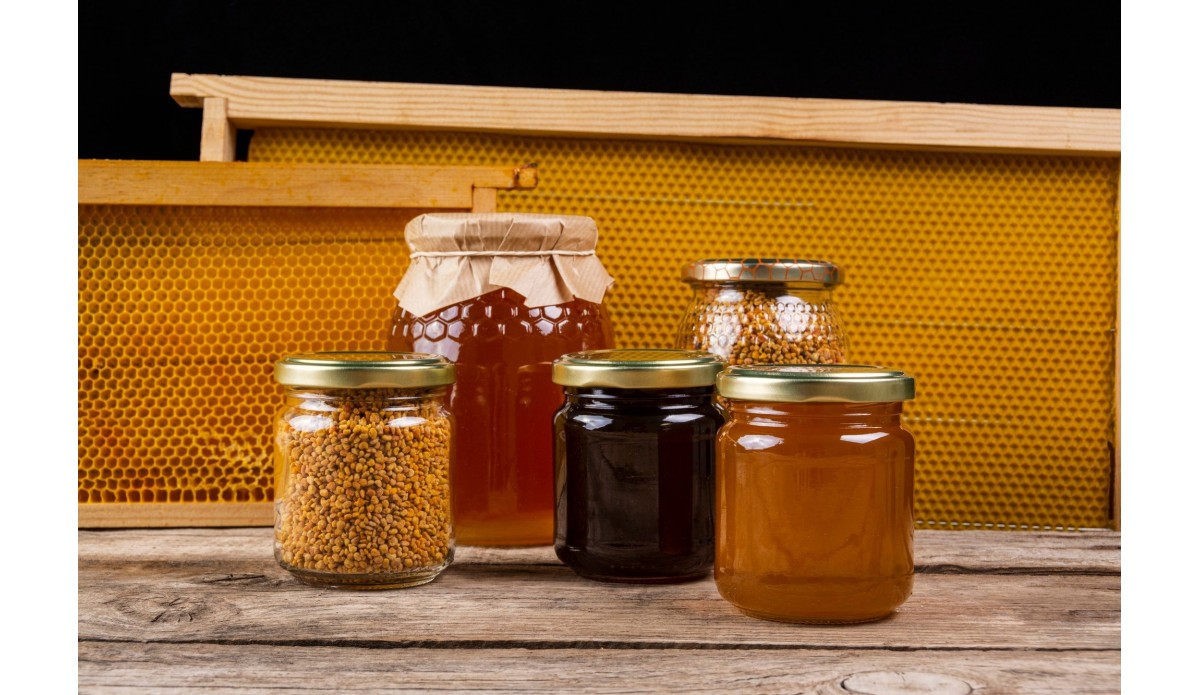
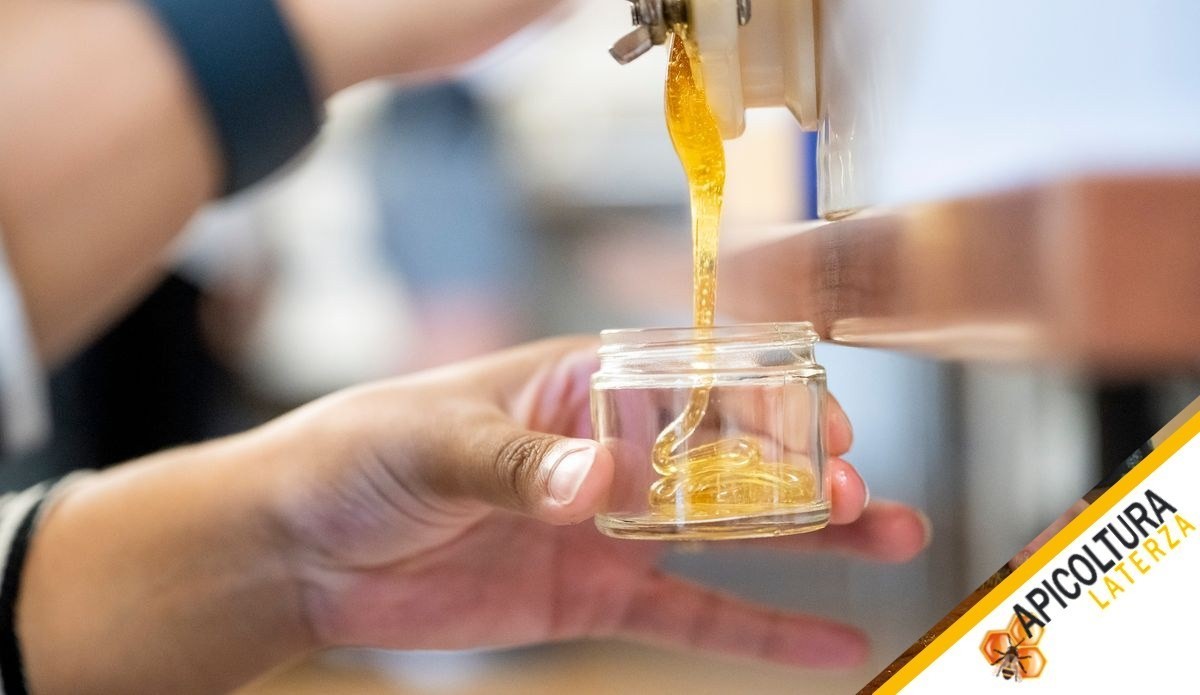
A glass jar with a label is the most common and the most versatile format: it suits any occasion, pairs easily with other products in a small hamper, and the contents are visible, which helps anyone unfamiliar with the differences between honeys get an idea before opening it. Raw honeycomb is a different story: it is the whole comb, wax and all, cut and packaged just as it came out of the hive. It costs more, is eaten differently (cut into pieces, wax included, or simply left to melt in the mouth), and has a visual impact a classic jar cannot match. For a gift meant to surprise, especially someone who already buys honey regularly, the comb is often the choice people remember best.
Choosing the right flavour for the person you are giving it to
Not all honeys have the same character, and the right choice depends more on the person receiving the gift than on which honey the giver likes best. For someone who prefers delicate flavours and mostly uses honey to sweeten hot drinks, a citrus honey or a light wildflower honey are safe choices: aromatic without being overpowering. For someone who likes bolder flavours, perhaps paired with aged cheese or spread on rustic bread, a chestnut honey, with its slightly bitter, resinous notes, is a choice that stands out. Someone who enjoys discovering new things will appreciate less common varieties such as coriander honey or cherry blossom honey, less familiar than wildflower but better at telling the story of the land they come from. You do not need to be an expert to choose well: just think about how that person actually uses honey at the table.
Putting together a small tasting selection
When you are not sure which flavour to pick, the simplest solution is not to pick just one. Two or three jars of different honeys, perhaps a light, delicate one alongside a dark, bold one, turn the gift into a small tasting journey: the recipient can compare colours, textures and flavours without having to decide in advance what they prefer. It is also the easiest way to show someone that honey is not a single, uniform product, but changes completely depending on the flower it comes from.
A detail that makes a difference: reading the label
A good gift is also recognised by small details, and the honey label is one of them. A well-made label always shows the product's origin, the name of whoever packaged it, and an identifiable batch number: these are not bureaucratic formalities, they are the guarantee that the jar can genuinely be traced back to the apiary it comes from, rather than being generic repackaged honey. We covered this in more detail in our article on honey labelling and direct sale: the same information a producer is legally required to show is, for whoever receives the gift, the simplest way to understand what they are actually bringing to the table.
That cloudy patch is not a flaw
It often happens that a jar given in December, opened a few weeks later, looks paler and less runny than you remember. That is not a problem: it is crystallisation, a natural process linked to the ratio of sugars in the honey, faster or slower depending on the variety, which does not affect the quality or safety of the product in any way. We wrote about this in more depth in our article on how to recognise and choose different types of honey. It is worth mentioning to whoever receives the gift, especially if they are not familiar with the product: a jar that turns cloudy is not a jar to throw away.
Honey does not "expire" the way people think, but the label still carries a date
Properly ripened honey needs no preservatives and stays unchanged for a very long time if kept in suitable conditions. That does not mean the label carries no useful information, though: by law every jar shows a minimum durability date, usually around eighteen months, indicating how long the producer guarantees the product will keep its best qualities. It is not an expiry date in the strict sense, but a quality guarantee: past that date honey remains safe, as long as it has been stored properly.
Where to store it after receiving it
A good gift deserves to be stored well. Honey should be kept somewhere cool, dry and away from direct light, in a pantry rather than near the stove or on a sunny windowsill: heat speeds up the loss of aroma and, over months, can slightly darken the product. The fridge is not needed and actually speeds up crystallisation, so it is best avoided. Closing the jar properly after each use and using a clean, dry spoon to scoop it out are small habits that apply to any honey, not just the one received as a gift.
When to order to arrive in time for the holidays
Anyone who leaves Christmas shopping to the last minute often finds that the most requested products, including small multi-jar selections, sell out earlier than expected or take longer to prepare the closer it gets to the holidays. Ordering a few weeks ahead, especially for specific requests such as a personalised selection or several parcels shipped to different addresses, leaves room for unexpected delays and shipping time, without the risk of having to abandon the original idea for lack of time.
Three mistakes to avoid when giving honey as a gift
The first mistake is being guided only by the lowest price: honey that costs far less than average almost always hides blending or unclear origins, and that is the last thing you want to discover after giving a gift. The second is buying blind, with no indication of origin at all: a label that simply says "honey", with nothing else, does not let you know what you are really giving. The third is underestimating the recipient's taste: a very intense honey may not suit someone used to delicate flavours, and the other way around. A few extra minutes spent choosing make the difference between a jar left in the cupboard and a gift that is genuinely appreciated.
Honey remains one of the few gifts that everyone can agree on: genuine, local, ready to use and able to last well beyond the holidays. Choosing the right flavour, checking the label and not waiting until the last moment are the three steps that turn an ordinary jar into a gift given with care.
A jar, a honeycomb or a small selection: let's choose the right gift together
If you are not sure which honey to choose, or need several jars shipped to different addresses, get in touch: we will help you put together the right gift, in time for the holidays.
In Same Category
- Oxalic Acid in the Broodless Period: How to Use the Winter Treatment Window
- Winter Stores and Hive Weight: How to Check If Your Bees Have Enough Honey
- Varroa Monitoring: How to Count Mites and Know When to Treat
- Organic Beekeeping: What Actually Changes in Apiary Management
- Drifting and Robbing: How Apiary Layout Causes Them
Related by Tags
- Honey as a Christmas Gift: How to Choose the Right Jar
- Honeycomb: Apicoltura Laterza's Natural Superfood for Your Daily Well-being
- Apicoltura Laterza Honeycomb: The Art of Tasting and Ho.Re.Ca. Excellence
- Honeycomb by Apicoltura Laterza: Pure Authenticity, Now Available
- Honeycomb Honey: The Authentic Experience of Pure Honey Straight from the Hive