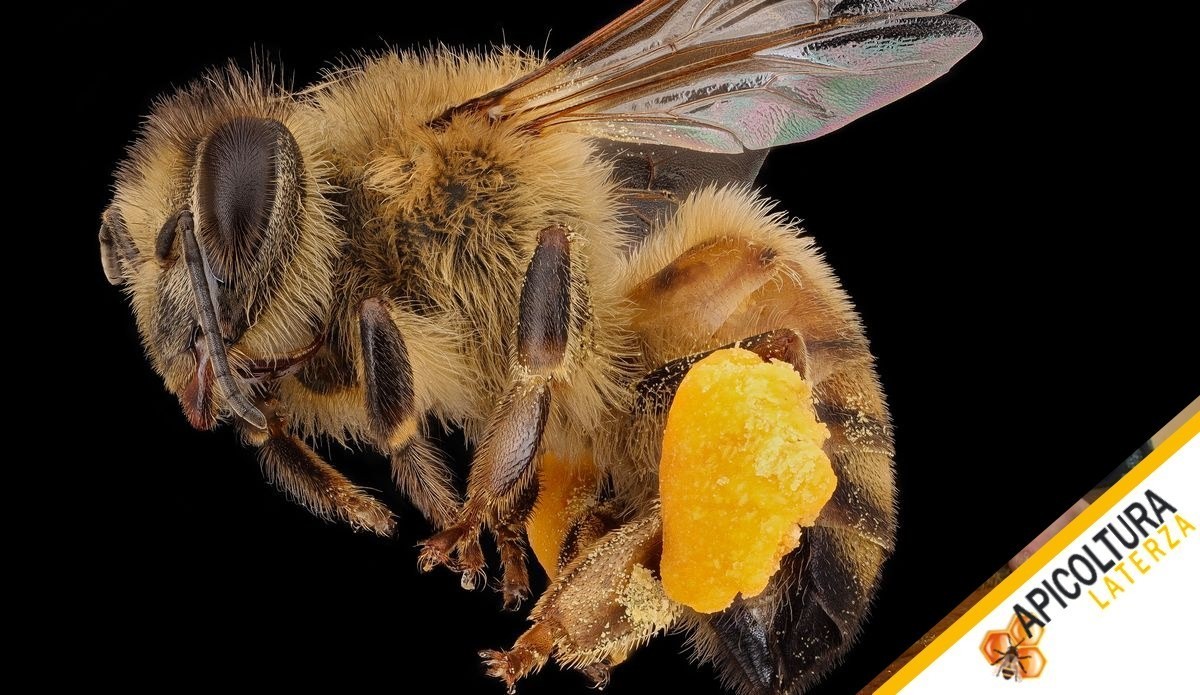
Mice and Rodents in the Winter Hive: How to Protect the Colony
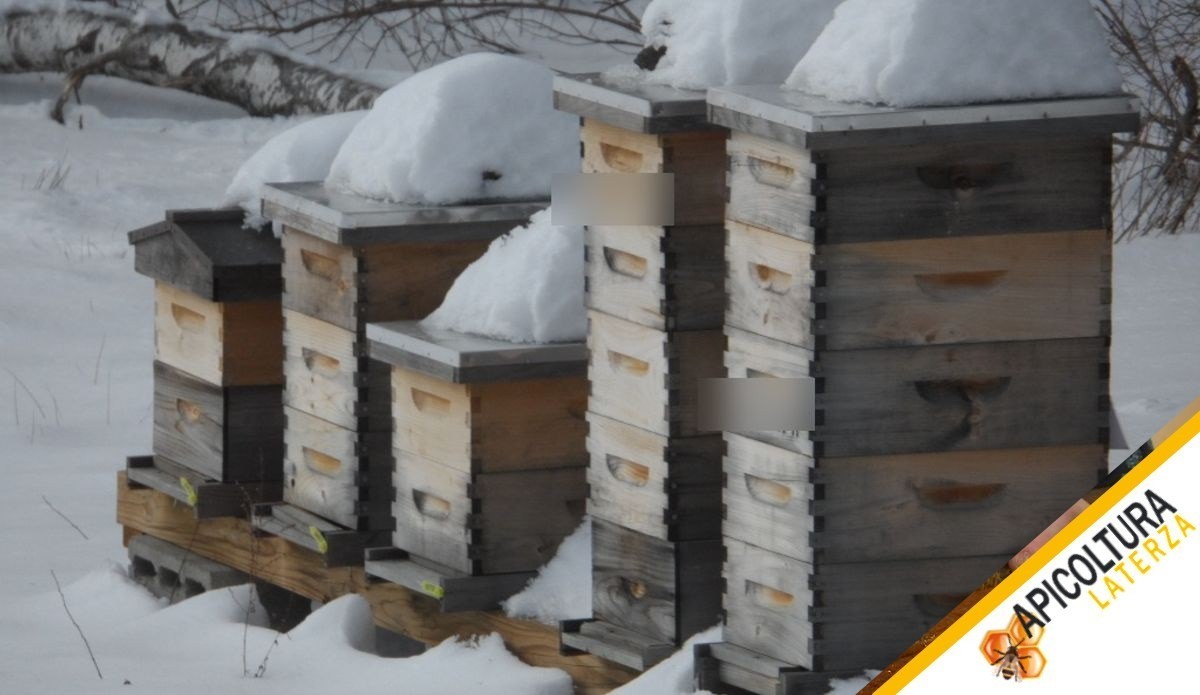
In summer a hive defends itself, but in winter the entrance is often left unguarded: a convenient opportunity for a mouse looking for shelter. A practical guide to the damage, the warning signs, the right mouse guard size and the timing to keep rodents out.
In summer a hive is a fortress. Tens of thousands of bees guard every inch of the entrance, and a mouse that got too close would find that out within seconds. In winter everything changes. The cluster tightens at the centre of the combs, traffic in and out drops to almost nothing, and that same entrance is often left wide open for weeks with nobody really watching it. For a mouse looking for a warm, dry, sheltered spot, that is an opportunity few pass up.
In our wintering guide we mentioned this briefly: fit a mesh entrance reducer, bees still come and go, rodents stay out. Here we go through it properly: why it happens, how to spot it, which reducer actually works, and the mistakes that quietly cancel out the protection.
Why a hive turns into a winter shelter
It is no coincidence that the problem starts with the cold. As long as the colony is active and strong, the entrance is patrolled constantly and any intruder is pushed back straight away. The first hard frosts turn that around: bees pull into the cluster, flight activity drops to zero on the coldest days, and the entrance stops being a guarded checkpoint and becomes, simply, a hole in a warm wooden box sheltered from the wind. That is exactly what a mouse needs to get through winter.
The real damage, not just cosmetic
A mouse that settles into a hive does not just pass through. It builds a nest, often right above or next to the lowest frames, dragging in material from outside. It gnaws wax and wood to widen the space or to get nesting material. And it contaminates everything around it: urine and droppings end up on combs, stores and the inner walls. If it goes on for weeks, the damage is not only material. The colony is disturbed exactly when it should be saving every bit of energy to make it to spring, and in the worst cases the forced cohabitation contributes to the colony's decline.
The signs that it has already happened
Some clues show up without even opening the hive. Gnawed wax or fallen comb fragments near the entrance are the first warning. A sharp, lingering smell in the lower part of the box, different from the usual scent of wax and propolis, is another typical sign. It is also worth stopping to listen: a rustling or scratching sound coming from inside, on a day when bees should be still in the cluster, is not normal. If the bees seem unusually restless or defensive with no obvious outside cause, that can be linked to an unwelcome guest inside the box as well.
The right reducer: hole size matters more than material
This is where it is won or lost. A reducer with openings that are too wide is nearly useless: it keeps out adult mice but not the smaller ones, which squeeze through surprisingly tight gaps. The size beekeepers commonly use for metal mouse guards is a round hole of about 9.5 millimetres, roughly three eighths of an inch: wide enough for a forager bee to pass through comfortably, narrow enough to stop a mouse, young ones included. Half-inch mesh, often used simply because it is easier to find, leaves enough room for a small mouse to slip through. That is one of the most common mistakes among beekeepers who build their own guard.
Metal or plastic: two different routes
Metal guards last for several seasons, hold up better against the weather, and a mouse cannot gnaw through them to widen the gap. They cost a little more and need some work if you make one yourself, but they remain the sturdier choice for anyone running several hives over the years. Plastic guards are lighter and cheaper, handy to get started with, but they need checking now and then: over time they can crack, warp in the cold, or in some cases get chewed through by a determined mouse. Whichever material you choose, a periodic check during winter avoids unpleasant surprises.
When to fit it: before, not after
The right moment is late summer or early autumn, before temperatures drop sharply. It is the same window in which the wintering guide recommends narrowing the entrance for the cold season, so the two jobs belong together. Waiting until you see the first signs of an infestation before acting is a costly mistake: if a mouse is already inside and finds a guard fitted too late, it risks being trapped in there together with the colony, which is worse than having protection in place from the start.
Fitting it without leaving gaps
A reducer of the right size fitted badly does little good. It needs to sit flush against the wood all the way round, with no gaps at the corners or along the edges where even a thin crack can become a way in. If you use mesh, bend it at an angle and fix it securely rather than just resting it in place; if you use a rigid reducer, check that it cannot shift with wind or vibration. It is worth checking again after the first weeks of cold, once the hive wood may have moved slightly with the damp.
Not just the entrance: other ways in
The entrance is the obvious spot, but not the only one. Gaps between supers, joints that have widened over time, a warped crown board or a damaged floor can offer equally convenient alternative routes. A visual check of the box before winter, looking for cracks and worn spots, takes a few minutes and is worth as much as the reducer itself.
Raising the hive off the ground, one more barrier
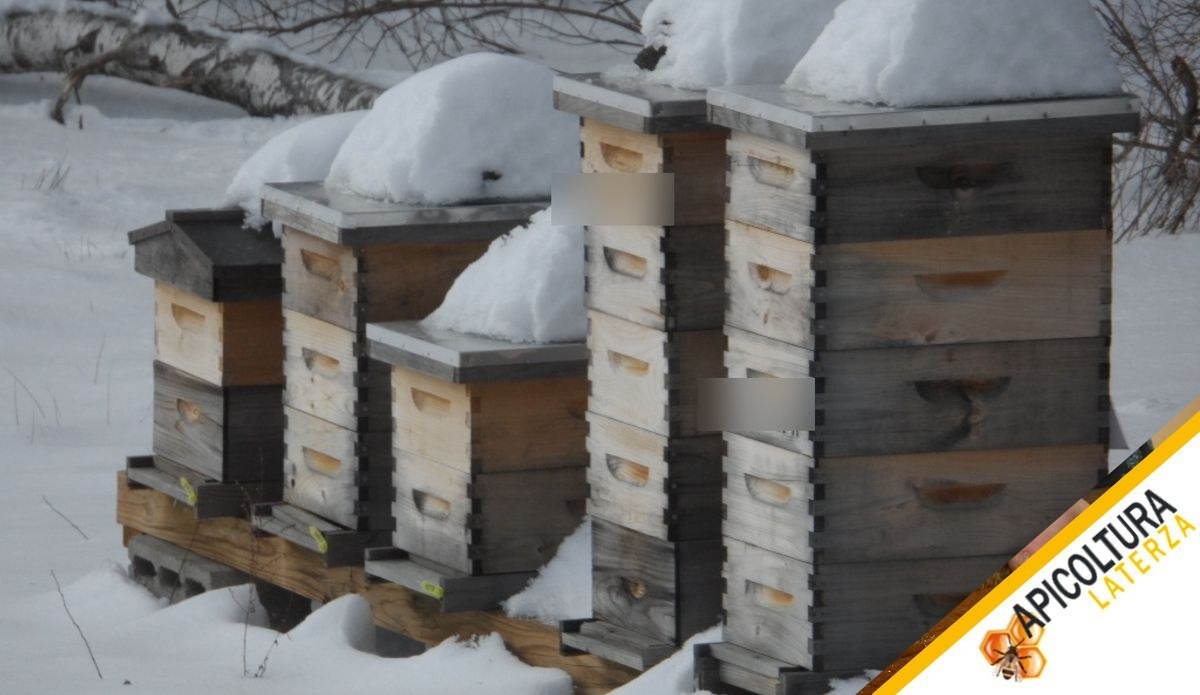
A hive resting on a stand or pallet, raised a few tens of centimetres off the ground, is harder to reach and less inviting for a rodent moving along the ground than a box sitting directly on grass or bare soil. It does not replace the reducer, but it works well alongside it, especially in apiaries where tall grass or nearby hedges and woodpiles already give mice good cover close by.
What not to do: poison and uncovered traps
Rodenticide bait set near the hives is a risk not worth taking: it can contaminate the area, end up eaten by other wildlife or pets, and has nothing to do with proper apiary care. The same goes for mechanical traps left uncovered next to hives, which can injure the beekeeper during inspections or other animals passing through. Prevention with a well-sized reducer remains the safest route, both for the bees and for anyone working around the apiary.
Checking without opening the hive in deep winter
The same rule that applies to checking winter stores applies here too: in the depths of winter, you avoid opening the hive and disturbing the cluster out of curiosity. Signs of a possible mouse are read from the outside, without lifting the crown board: debris near the entrance, smell, or a sound if you stop to listen for a few seconds. A full check, if really needed, can wait for a milder day.
When to remove the reducer in spring
The reducer should not be left on all year. Take it off once the colony is strong enough again to defend the entrance on its own and the risk that a mouse is still looking for shelter has passed, usually once temperatures and flight activity pick up steadily. Leaving it on too long, right in the weeks when foraging resumes, risks creating a bottleneck at the entrance at the busiest time, with foragers queuing up exactly when they need the clearest path.
Three mistakes to avoid
Fitting the reducer too late, after already spotting signs of an infestation, instead of as prevention. Choosing mesh or a hole that is too wide, assuming any grid will do, when the size really does make the difference. And leaving the reducer on too long in spring, forgetting about it until it becomes an obstacle for a colony in full recovery.
A reducer of the right size, fitted in good time and removed at the right moment, costs a few minutes of work and protects months of investment in the colony. It is one of those details nobody notices when it works, and everybody notices when it is overlooked.
A strong colony starts with a hive protected from autumn onward
If you are planning to expand your apiary or need to replace a colony, we can help you choose healthy nucs and colonies, ready to face winter the right way.
In Same Category
- Honey as a Christmas Gift: How to Choose the Right Jar
- Oxalic Acid in the Broodless Period: How to Use the Winter Treatment Window
- Winter Stores and Hive Weight: How to Check If Your Bees Have Enough Honey
- Varroa Monitoring: How to Count Mites and Know When to Treat
- Organic Beekeeping: What Actually Changes in Apiary Management